

Why Reading Speed Matters on the Digital SAT (and Why It’s Not Just About Racing Through Passages)
If you’ve been prepping for the Digital SAT, you probably know the test looks different from the paper SAT your older sibling took. Shorter overall, split into digital modules, and adaptive — the new format changes how timing and reading interact. But one thing remains true: how fast and how effectively you read can be the single biggest lever you pull to improve your Reading and Writing score.
Before you imagine speed as nothing but frantic skimming, take a breath. Reading speed here means smart, purposeful pace: the ability to get accurate meaning, spot evidence, and move through passages with confidence so you can answer questions thoughtfully without running out of time. In this guide I’ll walk you through why speed matters in the digital format, what to practice, how to measure progress, and how to translate improvements into real score gains — with examples, a practical plan, and a realistic table you can use right away.
How the Digital SAT’s Structure Changes the Reading Equation
The Digital SAT’s Reading and Writing section is split into two equal modules, each with a strict time allotment. Modules are shorter and the test adapts: your performance in the first module influences the difficulty of the second. That means two things for reading speed:
- You need to finish each module on time — there’s no pausing to catch up between modules.
- Faster, more accurate reading in the first module can place you into a stronger second module — and stronger modules often mean tougher questions that still reward efficient comprehension.
Put simply, speed helps you manage the breathing room that lets you think well under pressure.
What “Good” Reading Speed Looks Like for SAT Purposes
When we talk about reading speed for the SAT, think in two layers: raw words-per-minute (WPM) and purposeful comprehension. A high WPM is only useful when comprehension doesn’t suffer. For SAT reading passages — which include science, history, literature, and social studies — you need to reliably:
- Identify the passage’s main idea and structure within the first paragraph or two.
- Locate evidence quickly (names, dates, transitions like “however” or “for example”).
- Track the author’s tone, purpose, and argument flow without re-reading excessively.
For many students, a pragmatic target is to reach a comfortable WPM that allows you to read passages with solid comprehension in about 2.5–3.5 minutes per medium-length passage, leaving another 1–2 minutes for answering related questions. That balance will vary by student — a student stronger in reading might spend less time reading and more time analyzing questions; another might read more slowly but be laser-accurate in locating evidence. The goal is to find the combination that gets you through the module with time to spare for review.
Why the Digital Format Rewards Reading Speed Even More
Three realistic reasons the digital update amplifies the payoff for reading speed:
- Module timing is strict. If you spend too long on one passage, you don’t get that time back. Efficient reading keeps you ahead of the clock.
- Adaptive stakes are real. Strong early performance can place you into higher-level questions that, while harder, often provide greater opportunities to show strengths. Efficient reading helps you do your best early.
- Digital navigation rewards scanning and pinpointing. On a screen you can jump between passage and question quickly — but only if you know what you’re looking for. Speed and purposeful scanning become a skillset, not a gamble.
Common Reading Speed Mistakes Students Make
Understanding mistakes is half the battle. Students often equate speed with shallow skimming, or they read every sentence slowly because they fear missing details. Here are typical errors and simple reframes:
- Mistake: Reading every sentence word-for-word. Reframe: Read the first sentence carefully, then use purposeful scanning for supporting detail.
- Mistake: Skipping the passage entirely and trying to answer questions by scanning only. Reframe: Start with a focused mini-read (overview + topic sentences) so you know the map before you hunt for answers.
- Mistake: Re-reading obsessively when unsure. Reframe: Use evidence-location strategies (keywords, transition markers) to minimize re-reads.
Concrete Strategies to Build Effective Reading Speed
Here are practical tactics to practice — daily and deliberately. These aren’t hacks; they’re habits that compound.
1) Start with a one-paragraph roadmap
When you open a passage, write a one-line mental (or digital) summary: topic + tone + purpose. For example: “19th-century travelogue, skeptical tone, argues that urban life dulls moral imagination.” This tiny summary orients you and makes locating the main claim much faster.
2) Use the 3-pass reading strategy
Three focused passes cut wasted time:
- Pass 1 (60–90 seconds): Read the first and last paragraphs and topic sentences of the middle paragraphs to capture main idea and structure.
- Pass 2 (60 seconds): Skim the rest for evidence and transitions — underline keywords like names and dates.
- Pass 3 (as needed): Jump back to short sections to confirm tricky evidence-based questions.
3) Train your eyes for keyword hunting
When a question asks for evidence, don’t re-read the whole passage. Look for unique words, dates, names, or quoted phrases. Practicing with a timer helps condition you to spot these quickly.
4) Practice active summarizing
After each practice passage, explain the main point in one sentence. If you can’t, you read too fast without comprehension. If it takes four sentences, you read too slowly. Aim for a crisp one-line summary and a 10–15 second outline of supporting evidence.
5) Time-block during practice
Simulate module conditions. Practice two mini-modules at the same length and timing you’ll see on test day. The goal is to get comfortable finishing with five minutes to spare so you can review mistakes.
Measuring Progress: A Simple Tracker Table
Here’s a sample table you can use weekly to measure the intersection of speed and accuracy. Keep it simple and consistent.
| Week | Avg. Passage Read Time (min:ss) | Comprehension Check (1-line summary accuracy) | Question Accuracy (%) | Time Left per Module (min) |
|---|---|---|---|---|
| 1 | 4:30 | Mostly accurate | 68% | 0:30 |
| 4 | 3:30 | Accurate | 78% | 1:15 |
| 8 | 3:00 | Concise & accurate | 86% | 2:00 |
This tracker helps you spot trends: if reading time drops but accuracy also drops, you’re sacrificing comprehension for speed. If both improve together, you’re building efficient skill.
Practice Drills That Improve Both Speed and Understanding
Don’t just read more; practice the right things. Here are drills that train comprehension at pace:
- Timed micro-passages: Read 300–400 word passages in 2–3 minutes, then answer 3–5 questions. Short cycles build quick decision-making.
- Evidence pop quizzes: Have a partner or tutor ask for the exact sentence that supports a claim. Practice locating it in 15–30 seconds.
- Summarize in 20 words: After reading, write a 20-word summary. This forces you to prioritize the main point.
- Backward questioning: Read the question first, then read the passage to hunt the answer with intent.
How Comprehension Beats Speed for Long-Term Gains
Speed is the tool; comprehension is the point. Speed without comprehension yields careless mistakes and lower scores. Over weeks and months of practice, your aim is to increase your speed while maintaining or improving accuracy. That’s what translates into consistent, reliable score gains.
Schools and colleges don’t reward a frantic pace; they reward demonstrated ability to understand, interpret, and use evidence. The Digital SAT’s adaptive format simply means doing that faster is more valuable because it lets you show more strengths across modules.
When to Slow Down: Smart Pacing on Test Day
Not every question deserves the same treatment. Learn to triage:
- Quick wins: Simple evidence or vocabulary-in-context questions you can answer in 30–60 seconds.
- Pause points: Questions asking about tone, purpose, or complex inferences — these may need a short re-read of the relevant paragraph (60–90 seconds).
- Breakaway problems: If a question is taking too long (more than 2 minutes), mark it, move on, and return with clearer mental energy.
This triage is easier when reading speed gives you extra buffer time.
How Tutors and Tools Can Accelerate the Process (Yes, Including Sparkl)
One-on-one guidance can compress months of trial and error into weeks. Tutors help you detect bad habits, tailor strategies to your natural reading style, and provide targeted drills that fit your weaknesses. For students who thrive with structure and feedback, personalized tutoring — like Sparkl’s 1-on-1 guidance and tailored study plans — can help you identify which reading strategies to prioritize, create a custom drill schedule, and use AI-driven insights to track progress.
Think of tutoring as a fast-forward button for deliberate practice: a tutor watches your mistakes, points out patterns you can’t see alone, and gives you accountability so practice is consistent and effective.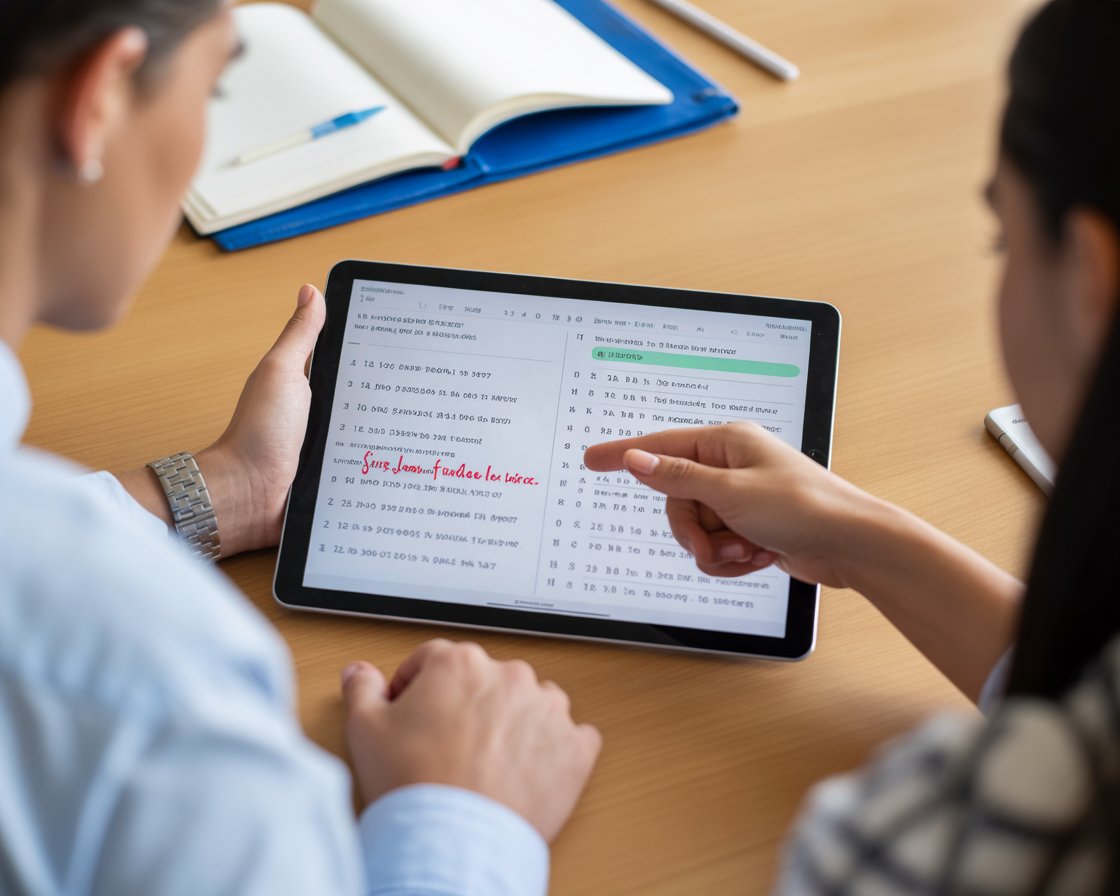
Sample 8-Week Plan to Boost Reading Speed and Accuracy
Below is a sample plan you can adapt to your calendar. Commit to deliberate practice — short, focused sessions rather than marathon reading binges.
| Week | Focus | Daily Practice (30–60 min) | Weekly Check |
|---|---|---|---|
| 1 | Baseline & strategy introduction | 1 full module practice; 6 micro-passages; summarize each | Track avg. passage read time & accuracy |
| 2 | 3-pass reading & keyword hunting | Timed micro-passages; evidence pop quizzes | Review missed question types |
| 3 | Active summarizing & triage practice | Summarize in 20 words; timed modules | Adjust reading targets |
| 4 | Speed consolidation | Mixed passages; focus on time left per module | Assess buffer time goal (1–2 min) |
| 5 | Advanced inference & tone practice | Inference-heavy passages; evidence hunts | Accuracy review & targeted drills |
| 6 | Adaptive module simulation | Two full modules under test conditions | Score-style analysis |
| 7 | Weakness targeting | Focused work on missed question types | Plan final tune-up |
| 8 | Consolidation & test-habit building | Light practice; breathing & pacing drills | Final simulated test |
Tools That Help — What to Look For
Not every practice app or tutor is equal. Look for tools that:
- Offer timed native digital practice that mimics the test environment.
- Provide evidence-based feedback — highlight precisely where you missed evidence or misread a question.
- Support small, focused drills (micro-passages, keyword search challenges) rather than endless untimed reading.
- Deliver personalization — study plans that adapt to your strengths and weaknesses (this is where platforms that combine expert tutors and AI-driven insights can be especially helpful).
Real-World Example: How a Student Turned Speed Into Score
Imagine Maya, who started with a slow, careful reading pace and routinely ran out of time on the second module. Her baseline: 4:45 per passage, 62% accuracy. Maya’s tutor implemented 3-pass reading, nightly micro-passage drills, and weekly timed modules. After six weeks, her average passage time fell to 3:10, her accuracy rose to 84%, and she finished modules with 90–120 seconds of buffer time. The result? Less stress on test day, smarter triage of tough questions, and a measurable score improvement that reflected both speed and comprehension.
If Maya had done those drills alone, it would have worked — but the tutor’s immediate feedback and the tailored plan sped that growth. That’s the value of personalized tutoring like Sparkl’s 1-on-1 guidance: targeted feedback, a tailored plan, and structures that keep you honest when studying gets repetitive.
Test-Day Mindset: Calm Speed
Reading speed is as much mental as mechanical. Nervousness tends to slow you down or make you rush. Practice breathing techniques before the test and adopt a calm, steady rhythm. Use the first passage of the day as a “calibration” — don’t sprint; find your pace and stick to the plan you practiced. Confidence in your process beats frantic last-minute tactics.
Quick Checklist: What to Do This Week
- Take a timed diagnostic module to set your baseline.
- Start a daily 30-minute routine: 20 minutes of micro-passages, 10 minutes of review and summaries.
- Practice one evidence-location drill per day (set a 30-second target to find supporting sentences).
- Try one session with a tutor or coach to get feedback on your reading strategy — if you don’t have a tutor, swap with a study partner.
Final Thought: Reading Speed Is a Skill You Build Intentionally
Reading fast is not the same as reading well. The Digital SAT rewards students who can do both: read quickly and think clearly. The good news is you can train both elements with short, focused practice cycles, targeted feedback, and realistic pacing strategies. Whether you work with a tutor, use an AI-driven platform that tailors your study plan, or practice with a friend, the important thing is deliberate, measurable progress.
If you want a structured plan that adapts to your strengths and gives you clear feedback on where to save time and where to slow down, consider combining self-practice with occasional one-on-one coaching. Many students find that a mix of smart solo practice and expert guidance — with tailored study plans and data-driven insights — is the most efficient path to consistent score improvements.
Ready to Start?
Pick one drill from this guide and do it today. Measure your time and accuracy, repeat the drill three times a week, and give yourself four to eight weeks of consistent practice. If you’re the kind of student who benefits from accountability and direct feedback, pairing this plan with occasional 1-on-1 tutoring — for example, Sparkl’s personalized sessions and tailored study plans — can shave weeks off your timeline and make progress less lonely.
Small habits build real momentum. A tighter, more purposeful reading pace doesn’t just save time — it gives you the calm, clarity, and confidence to perform at your best on test day. Good luck — you’ve got this.
























No Comments
Leave a comment Cancel