
Why skimming feels so tempting — and why it can betray you
Imagine this: you sit down for the SAT Reading test. The clock is ticking, there are five passages, and the pile of words looks taller than you expected. You tell yourself you will skim, grab the main idea, and move on. After all, you practiced speed reading in school and you read a lot online, so you can do this, right?
That feeling is familiar to so many students. Skimming promises speed and a false sense of control. But on the SAT Reading test, where meaning hides in qualifiers, counterpoints, and tiny lexical cues, skimming often changes a near-miss answer into a wrong one. This blog is a friendly, practical conversation about why skimming is risky, what cognitive traps it falls into, and how to build reading habits that save time and points.
What the SAT Reading section actually looks like
Before we diagnose the problem, it helps to understand the structure you face. The Reading Test runs 65 minutes and contains 52 questions spread across passages of various genres: literature, history or social studies, social science, natural science, and one pair of passages that you compare and contrast. That works out to roughly 75 seconds per question on average, but time per question is not the only constraint. Many questions require you to find precise lines, interpret tone, or cite evidence from the passage. Those tasks reward careful, strategic reading, not hurried skimming.
Quick facts about the section
- Duration: 65 minutes for 52 questions across 5 passage sets (one is a passage pair)
- Genres: literature, history/social studies, social science, natural science, paired passages
- Question types: detail, inference, function, vocabulary-in-context, and evidence-based questions that ask you to link an answer to lines in the passage
| Question Type (approximate) | Proportion of Section | Average time needed | Why skimming is risky |
|---|---|---|---|
| Detail questions | ~25% | 30–90 seconds | Skimming misses line-level details and precise wording |
| Inference questions | ~20% | 60–120 seconds | Require reading between the lines; skimming loses nuance |
| Function/structure questions | ~15% | 60–120 seconds | Depend on transitions and paragraph relationships |
| Vocabulary in context | ~10% | 30–90 seconds | Context matters; skimming removes surrounding clues |
| Evidence-based/paired questions | ~30% | 60–150 seconds | Demand precise line references and justification |
Note: These proportions are approximate, meant to show the variety of demands. What matters most is that a large slice of questions reward accuracy and connection-making, not speed alone.
The cognitive traps skimming walks you into
Skimming isn’t a single action; it’s a cluster of habits that trade depth for breadth. Here are the main failure modes students hit when they skim:
- False familiarity. You think the text sounds familiar after a fast pass, so questions feel easier than they are. That confidence can hide important qualifiers like not, unless, or except.
- Missed qualifiers and tone. Adverbs and modal verbs change meaning. The difference between “may” and “must” is subtle but testable. Skimming flattens these differences.
- Pronoun confusion. Skimmers sometimes miss the noun a pronoun refers to, creating misattributed meaning.
- Evidence disconnect. For paired evidence questions you must link an answer to specific lines. A skimmer will choose a plausible answer but often cannot find supporting lines.
- Surface-level paraphrase errors. Answers that paraphrase incorrectly but seem similar will lure skimmers into selecting the wrong option.
A short example that exposes the danger
Read this tiny passage slowly in your head. Don’t skim.
“By the late 19th century, river traffic had declined in importance for regional trade, owing in part to the spread of rail lines. Yet the river retained symbolic power: towns continued to celebrate annual regattas and festivals that invoked the water’s role in local identity.”
Now answer this question mentally: What is the best description of the author’s view of the river’s role in the region?
- Skimming answer many students pick: The river stopped being important for trade and is no longer significant.
- Careful answer: The river lost its economic centrality but kept cultural and symbolic importance.
Skimming can flatten the phrase “retained symbolic power” into “not important anymore,” because the faster reader notices the decline in trade and misses the sentence that reassigns importance to symbolic life. That small miss changes choices on multiple questions, not just one.
How skimming specifically hurts common SAT question types
Let us walk through question types and the concrete way skimming leads to mistakes.
Detail questions
These often point to a line or paragraph. They expect you to find a fact or an example. Skimming will spot the topic, but the correct answer often hinges on a detail you only see if you stop and verify the line.
Inference questions
Inference asks you to deduce what the author implies, not what is directly stated. That deduction requires that you hold the author’s subtle language in working memory. Skimming reduces that memory to a fuzzy summary and increases the chance you’ll pick an answer that is merely plausible but not supported by the passage.
Function and structure questions
These ask why the author included a sentence, paragraph, or transition. The right choice often references the relationship between two parts of the passage. Skimming breaks those connections.
Vocabulary in context
Vocabulary questions are not about dictionary definitions. They ask what a word means in the passage context. If you skim, you may miss the sentence that narrows that word’s nuance.
Evidence-based questions
These are the big ones. Many SAT questions come in pairs: choose the best answer to a question, then select the lines that support that answer. You can get the first half right by luck or surface reading, but the second half demands precise recall of text location. Skimming diminishes the link between your answer choice and the supporting line.
Time cost versus point cost: a practical reality check
Students often justify skimming with the argument that more passages read equals more questions attempted. But consider these realities:
- Each question on the Reading Test represents about 1.9% of the raw total, so a handful of mistakes add up.
- Many incorrect answers on inference and evidence-based items stem from the same skim-induced misunderstanding, creating clusters of errors.
- Spending a little more time on initial reading—five to 15 seconds per paragraph to annotate—often saves more time later when you hunt for evidence.
In practice, strategic slowing down at the start of a passage reduces back-and-forth. It converts fuzzy impressions into retrievable markers: that sentence in paragraph 3 where the author shifts position, or the line where a statistic undermines a claim. Those markers make answering faster and more confident.
Smart alternatives to pure skimming
Instead of an all-or-nothing approach, adopt reading patterns that keep you efficient without giving up accuracy. Here are tested techniques students can use in the test room.
1. Paragraph map
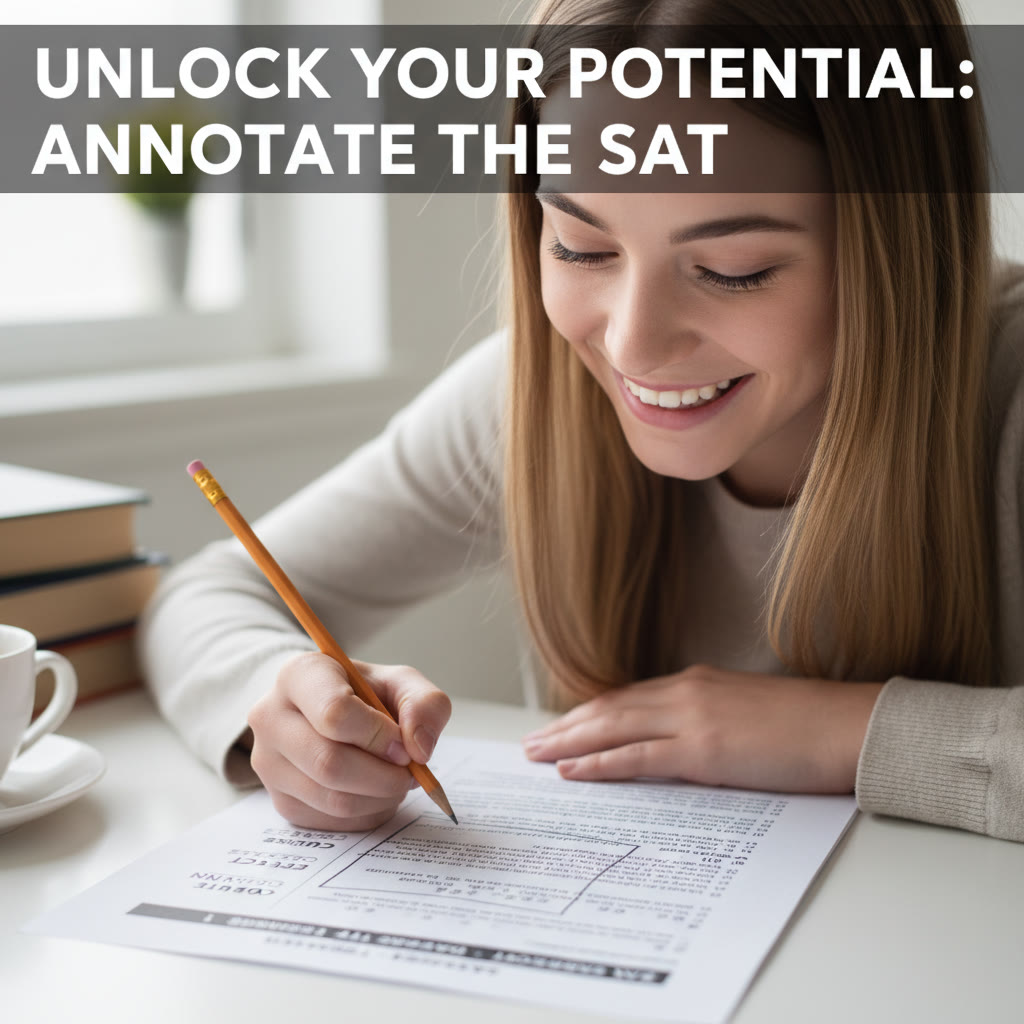
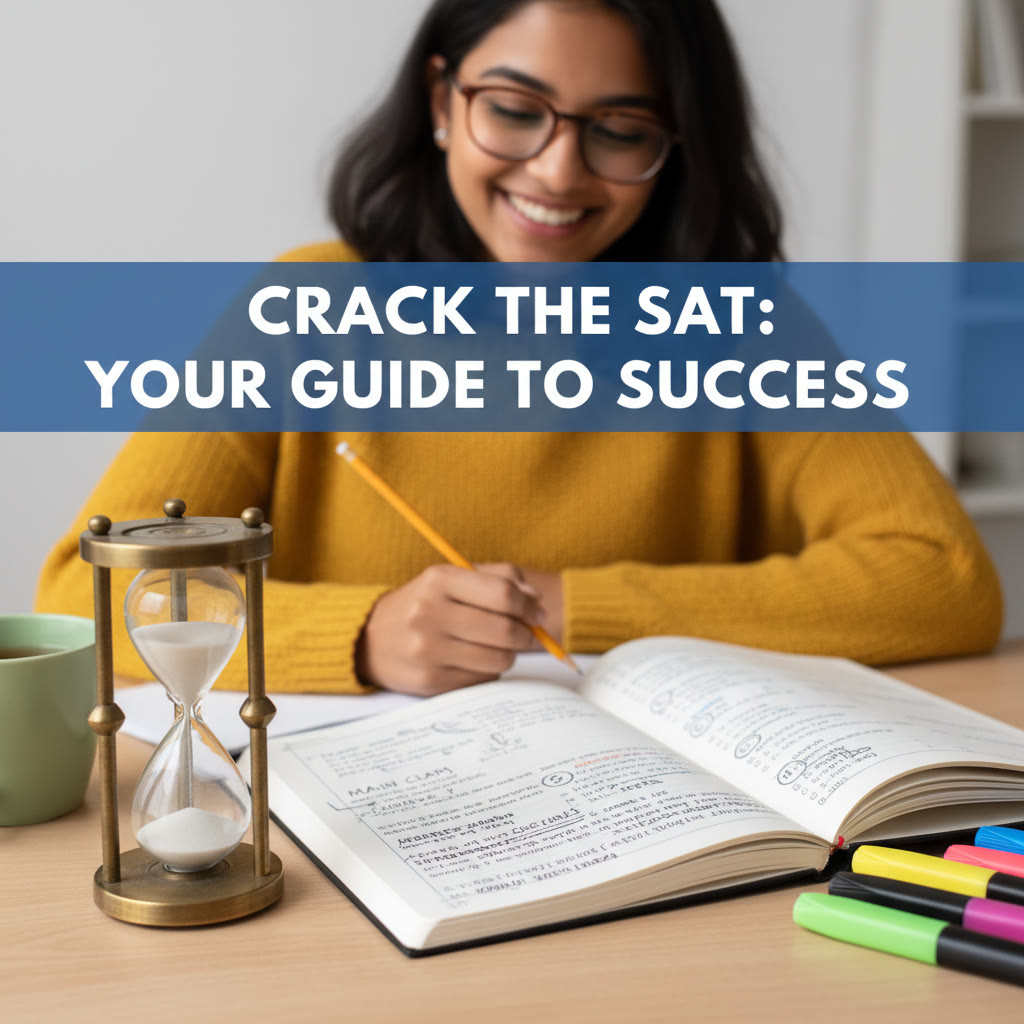
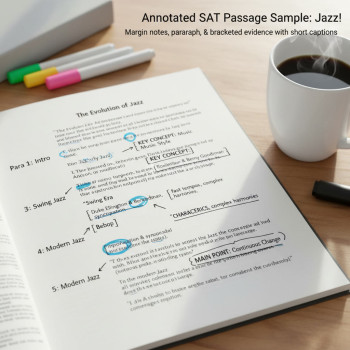
After you read each paragraph, write a one- to four-word summary in the margin. This takes five to ten seconds and creates a mental map. When a question asks about paragraph relationships, you won’t have to hunt; you will already have the map.
2. Targeted underlining and bracket key sentences
Instead of underlining everything, bracket the sentence that contains the main claim of the paragraph and underline any line that contains data or direct comparisons. These minimal marks point you to evidence quickly.
3. Read the first and last sentences of each paragraph, then skim the middle
This hybrid keeps you aware of the author’s progression. Many paragraph transitions live in that first/last sentence pair, and they often contain the meaning cues test writers exploit.
4. Read the question stem before full passage reading — selectively
For detail-heavy passages like science, glance at the question prompts to know what to look for. But avoid memorizing answer choices beforehand; they can bias your reading.
5. Use the four-word paraphrase trick for evidence pairs
When you answer a question, summarize your choice in four words on the margin, then scan to find lines that match that summary. If you can’t match, reconsider. This makes the evidence search far less random.
6. Practice focused rereading, not blind re-skimming
If a question requires close reading, reread the specific paragraph rather than flipping through the whole passage. Your paragraph map and brackets will guide you directly to the place you need.
Practice drills that replace bad skimming habits
Habits change with training. These drills help you internalize efficient, accurate reading.
- Timed paragraph summary drill. Read a paragraph and write a one-sentence summary in 45 seconds. Repeat daily.
- Evidence pairing drill. Practice paired questions and force yourself to find explicit lines that support your answer before moving on.
- Backwards reading drill. Start with the questions, then scan the passage for only the lines needed. Use this selectively for dense science passages.
- Annotation cleanup. Time yourself reading a passage and limit yourself to three marks. The constraint forces you to prioritize evidence.
Data table: practice schedule example for four weeks
| Week | Focus | Daily time | Key drills |
|---|---|---|---|
| 1 | Active reading basics | 30–45 minutes | Paragraph map, first/last sentence method, 45-second summaries |
| 2 | Evidence and inference | 45–60 minutes | Paired evidence drills, four-word paraphrase, targeted rereading |
| 3 | Timed full passages | 60–90 minutes | Timed section practice, annotation constraints, error review |
| 4 | Simulation and refinement | 90–120 minutes (3x per week) | Full practice tests, review with tutor or coach, focus on weak question types |
How personalized tutoring short-circuits the skimming trap
Everyone’s reading strengths and pain points differ. Some students lose time hunting for evidence; others misconstrue tone. This is where targeted coaching adds outsized value. With 1-on-1 guidance, a tutor can watch how you read, pinpoint the specific habit that produces errors, and provide practice that directly weakens that habit.
Sparkl’s personalized tutoring mixes expert tutors, tailored study plans, and AI-driven insights to accelerate that process. A tutor can give instant feedback on annotation choices, show where a skim missed a qualifier, and customize drills so you practice the exact kinds of passages and questions that cause you trouble. The result is not just more practice but smarter practice.
Real students, real shifts: short stories that show the difference
Consider Jenna, a student who started with a habit of skimming science passages. She could answer general questions but consistently missed paired evidence items. After three weeks of evidence-pair drills and paragraph mapping with her tutor, she learned to bracket claim sentences and link answers to lines. Her accuracy on evidence-based questions jumped dramatically, and she found she finished the section with more time, not less.
Or Malik, who read fast but equated speed with comprehension. He learned to trade the first five seconds of frantic scanning for a focused read of the first paragraph and the transitions. That short investment eliminated repeated back-and-forth, which cut down his total time spent per passage and increased confidence when answering inference items.
Practical tips to use on test day
- Start each passage by reading the first paragraph at normal speed and writing a one-line map in the margin.
- Bracket sentences that state the main claim and underline lines with data or comparisons.
- For evidence pairs, force yourself to find the line that supports your answer before bubbling the second question.
- If a passage feels dense, read the questions first to know what to look for, but avoid pre-committing to answer choices.
- Keep a timer in practice to learn realistic pacing. On test day, trust your practiced pacing rather than panic speed.
Image ideas to support this post
Final checklist: change one habit a week
Start small. Pick one habit to change each week and practice it until it feels natural. Here is a compact checklist you can carry with you into study sessions and test day:
- Week 1: Paragraph map every paragraph
- Week 2: Bracket main claims and underline evidence
- Week 3: Do paired evidence searches before bubbling answers
- Week 4: Practice timed sections and review every incorrect answer to understand whether it was a reading or reasoning error
Parting thought
Skimming feels like a shortcut because it seems to save time. The reality on the SAT Reading test is that skimming trades clarity for speed and leaves you vulnerable to well-designed traps. The good news is that precise, strategic reading is learnable. Small adjustments — paragraph mapping, targeted underlining, and disciplined evidence checks — produce better accuracy and often more time in the long run.
If you want to accelerate that change, working with a coach who sees your reading in action can be a game-changer. Sparkl’s personalized tutoring offers 1-on-1 guidance, tailored study plans, expert tutors, and AI-driven insights to pinpoint the habits that cost you points and replace them with reliable strategies. That kind of support helps you build confident reading habits that hold up on test day and beyond.
Remember: the SAT rewards precision. Read with purpose, mark with intention, and let accuracy create your speed. Good luck — and enjoy the work. Reading well is a skill that pays off long after the test is over.
















No Comments
Leave a comment Cancel