
Why CAS is a Secret Weapon for Aspiring Medics
If you want medicine in your sights, CAS is more than a box to tick — it’s the place where the values medical schools look for actually come to life. Beyond grades, admissions teams look for curiosity, steady commitment, teamwork, ethical reasoning and evidence that you can reflect on experience and grow. CAS gives you a structured way to show those traits with real-world evidence: projects, reflections, supervisor feedback and sustained activities that tell a story about who you are and how you approach care.
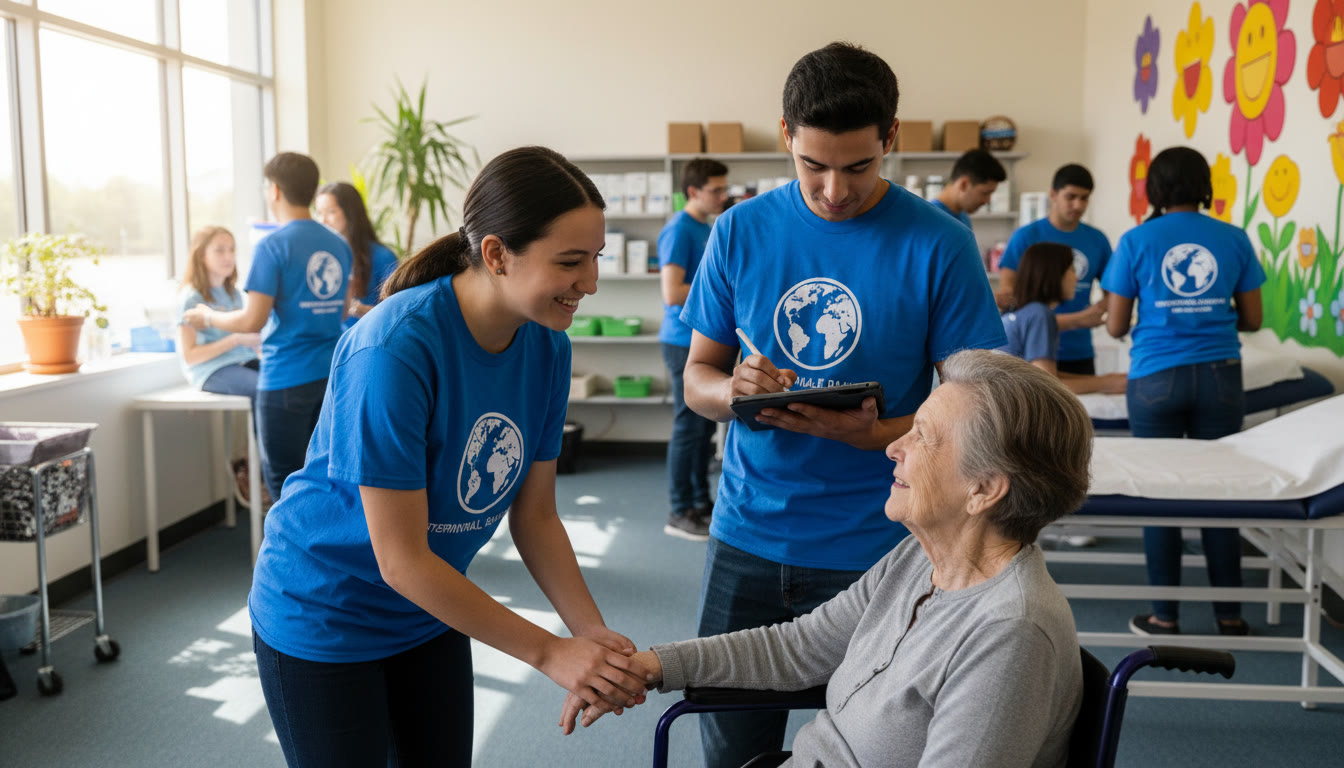
Think of CAS as the laboratory for your personal and professional habits: a place to demonstrate perseverance, to test leadership in messy real-world situations, and to document learning in a way that reads clearly to medicine admissions tutors. The best CAS profiles don’t just list activities — they trace development. They answer two questions for any activity: what did you do, and how did it make you a better future clinician?
Understanding the CAS Learning Outcomes — and Why They Map so Well to Medicine
The IB CAS learning outcomes are the backbone of how CAS is assessed. When you connect activities to these outcomes thoughtfully, your portfolio becomes evidence-based and persuasive. Here are the outcomes and a quick note on how each is meaningful for medicine:
- Identify strengths and areas for growth. Medicine needs self-aware students who can reflect honestly on limits and learn from feedback.
- Demonstrate undertaking new challenges. Clinical work is full of unfamiliar problems — showing you embrace challenge is a big plus.
- Plan and initiate activities. Projects and initiatives show organisation, accountability and project management skills.
- Show commitment and perseverance. Long-term volunteering or sustained projects mimic the long-term commitment required in medicine.
- Work collaboratively. Healthcare is team-based — examples of true collaboration are highly relevant.
- Engage with issues of global significance. Public health, health equity and cultural competence are central to modern medical practice.
- Consider the ethics of choices and actions. Ethical reasoning is core to medicine — showing you can reflect on the ethical side of your CAS work is powerful.
Designing a Medicine-Focused CAS Plan: Pillars, Not a Patchwork
Rather than collecting random badges, aim for a portfolio built around four complementary pillars. Each pillar targets different learning outcomes while contributing to the single narrative that you are prepared for medicine.
- Clinical exposure and observational learning: supervised volunteering at clinics, shadowing (where allowed), or first-aid teams. These give context and show you’ve tested your interest in healthcare.
- Service with impact: community health outreach, health education, vaccination awareness or working with vulnerable groups. These show empathy, social responsibility and ethical engagement.
- Leadership and collaboration: running student health campaigns, coordinating peer mentoring for younger students, or leading a project team. These show initiative and teamwork under pressure.
- Inquiry and communication: small-scale research, science communication pieces for lay audiences, or public health mini-projects. These show analytical thinking and your ability to translate complex ideas clearly.
Table: Examples of CAS Activities Mapped to Medical-Relevant Outcomes
| Activity Type | Medicine-Focused Example | Key CAS Outcomes Targeted | Suggested Commitment |
|---|---|---|---|
| Service | Weekly volunteering at a community health clinic helping with intake and translation support | Commitment, collaboration, ethical reasoning | 2–4 hours/week, sustained for several months |
| Activity | Peer first-aid training instructor or search-and-rescue cadet corps | New challenges, perseverance, teamwork | Regular sessions across a school term |
| Creativity | Designing a public health awareness campaign (e.g., nutrition, mental health) | Planning and initiative, global engagement, communication skills | Project-based (planning, delivery, evaluation) |
| Project | Small research project surveying local health attitudes or basic lab work under supervision | Inquiry, ethics, new skills | Dedicated project time with milestones |
| Leadership | Coordinating a student-led health outreach team in underserved neighbourhoods | Initiative, collaboration, commitment | Several months with clear outcomes |
Building Depth: A Model Year-Long CAS Project
A single, well-documented project that runs across an extended period will often speak louder than many short experiences. Here’s a practical, medicine-relevant example with clear phases and outcomes.
Project: Community Health Literacy Initiative
- Phase 1 — Research & planning: consult local clinics, identify a gap (e.g., low awareness about diabetes prevention), recruit a small team and create materials that are culturally appropriate.
- Phase 2 — Implementation: run workshops, create leaflets or short videos, and partner with local community centers to deliver sessions. Ensure you collect attendance and feedback.
- Phase 3 — Evaluation & reflection: analyze feedback, report outcomes, reflect on what worked and ethical considerations, and plan a follow-up or handover to community partners.
Throughout this project you should tie each activity to CAS outcomes (planning, commitment, collaboration, ethical engagement) and gather evidence: photos, attendance sheets, supervisor statements and reflective entries that chart your learning curve.
Documenting and Reflecting: Turning Actions into Evidence
The raw activities mean little unless you reflect. A clear reflection practice makes your portfolio readable and credible. Aim for honest, specific reflections that connect action to learning and future change.
Reflection structure that works
- Context: What was the situation or challenge?
- Action: What did you do, and why?
- Outcome: What happened — data, feedback or observable change?
- Learning: What skills, attitudes or insights did you develop?
- Next steps: How will you apply this learning in future?
Table: Reflection Prompts and What to Include
| Prompt | What to Include | Short Example Phrase |
|---|---|---|
| Describe a leadership moment | Task, choices you made, team response, what you learned | “Coordinating the clinic rota taught me to prioritise and communicate clearly under pressure.” |
| Reflect on an ethical dilemma | Stakeholders, conflicting values, your decision process, outcome | “I navigated patient confidentiality vs. reporting concerns by consulting my supervisor and documenting carefully.” |
| Show a measurable impact | Numbers, feedback quotes, what changed for participants | “Workshop feedback showed a 40% increase in participant confidence recognizing symptoms.” |
How to Get Supervisor Comments that Carry Weight
Supervisor statements are one of the most credible parts of your CAS portfolio. Ask supervisors to comment on observable behaviour: reliability, learning progress, initiative, and teamwork. Provide them with a short bullet-point list of what you’d like them to highlight (with examples), and give them a reasonable deadline.
- Tip: When asking for feedback, remind supervisors of specific moments they observed (e.g., “when I led the vaccination sign-in desk”).
- Tip: Seek supervisors who know you in a context that matters — clinic managers, teachers who oversaw the project, or community leaders.
- Tip: Keep a record of informal verbal feedback so you can cite it in reflections with dates.
Translating CAS into Medicine Applications and Interviews
Admissions teams want concrete evidence. Use your CAS portfolio to craft a personal narrative centered on development, not simply on activity. Pull specific examples that show a problem you encountered, the actions you took, what you learned, and how that learning guided your next steps.
When preparing for interviews or writing personal statements, transform reflections into concise, evidence-based talking points. For example:
- “Through coordinating a community health fair, I learned to manage logistics for a team of 12 and to adapt communication for diverse audiences.”
- “Volunteering at the clinic exposed me to ethical tensions around consent; reflecting on those situations helped me develop a more patient-centred approach.”
Use numbers where appropriate (attendance, feedback scores, hours) and always link the story back to learning and future behaviour. That shows you don’t just do — you think and change.
Common Pitfalls and How to Avoid Them
It’s easy to fall into shortcuts that weaken your portfolio. Here’s what to watch for and how to fix it.
- Pitfall: Collecting many short, unconnected activities. Fix: Prioritise sustained commitments and a few deep projects.
- Pitfall: Superficial reflections (“I enjoyed it”). Fix: Use the reflection structure above and include concrete learning.
- Pitfall: No measurable outcomes. Fix: Track attendance, feedback, and concrete deliverables.
- Pitfall: Leaving documentation to the last minute. Fix: Make weekly notes and upload evidence as you go.
Balancing CAS, IB Coursework and Well-being
Medicine demands sustained effort — but burning out before applications is a real risk. Plan CAS with your academic load and personal life in mind. Choose a mix of regular, lower-intensity commitments (e.g., a weekly clinic shift) and project-based bursts (e.g., running a health campaign in school terms when workload is lighter).
- Use planners and calendar blocks to protect study time and recovery time.
- Ask for help early when a CAS commitment becomes overwhelming — supervisors will often help adjust roles.
- Remember that consistent small contributions are often stronger evidence than heroic all-nighters before submission.
How Personalized Support Can Amplify Your CAS Story
Structured, one-on-one guidance can help you turn raw experience into a coherent portfolio and into persuasive application material. If you work with a tutor or mentor, look for help in these areas:
- Mapping CAS activities to the learning outcomes and to medical competencies.
- Editing and strengthening reflective entries to make them evidence-led and concise.
- Simulating interviews with probing questions that encourage deeper reflection.
- Designing study plans that free up high-quality time for CAS and IB assessments.
For example, Sparkl‘s approach to personalised tutoring can be helpful for students who want targeted 1-on-1 guidance, tailored study plans, expert tutors and AI-driven insights that refine priorities and reflection drafts. A mentor can highlight where an activity most clearly demonstrates a CAS learning outcome and suggest concise language that preserves your authentic voice.
Sample Weekly Plan for a Balanced CAS Schedule
Below is a sample weekly rhythm that balances sustained volunteering, leadership tasks, study time and reflection. Use it as a template and adapt to your school calendar and deadlines.
- Monday: 1 hour — clinic volunteering (intake/administration)
- Tuesday: 90 minutes — project planning or outreach material development
- Wednesday: 1 hour — reflection writing and evidence upload
- Thursday: 1.5 hours — peer tutoring/first-aid training practice
- Weekend: 2–3 hours — running a workshop, supervising outreach, or catching up on supervisor communications
Real-World Examples: What Strong Entries Look Like
Strong portfolio entries are concise, evidence-based and reflective. They include a clear statement of the activity, a measurable outcome, and a reflection that links to learning outcomes. Here’s an anonymised example structure you might emulate in your own words:
- Activity: Volunteer assistant at local community clinic, intake station (2 hours/week)
- Evidence: Attendance logs, supervisor statement, photos from the clinic (with consent), workshop materials
- Outcome: Improved clinic flow by introducing a triage checklist; average waiting time reduced according to clinic data
- Reflection: Thoughtful analysis of what I learnt about triage, communication with anxious patients, and the ethical importance of confidentiality in a busy setting.
Final Checklist Before Submission
- Each major activity has a supervisor comment or verifiable evidence.
- Reflections follow a clear structure and name specific learning outcomes.
- Your portfolio demonstrates at least one sustained project plus consistent ongoing commitments.
- There is a clear thread that links CAS activities to your interest in medicine (empathy, leadership, teamwork, ethical thinking, resilience).
- All documentation is organised, dated and backed up in more than one place.
Closing Thought: Profile Building as Professional Formation
Building an IB CAS profile for medicine is essentially early professional formation: you are practising habits — reflective, ethical, collaborative and resilient — that matter in clinical practice. Prioritise depth over breadth, document honestly, and use reflections to bridge activity and learning. When admissions teams read your portfolio, they should be able to trace a clear path from experience to insight to a changed approach; that is the evidence of a student ready to pursue medicine.



















No Comments
Leave a comment Cancel