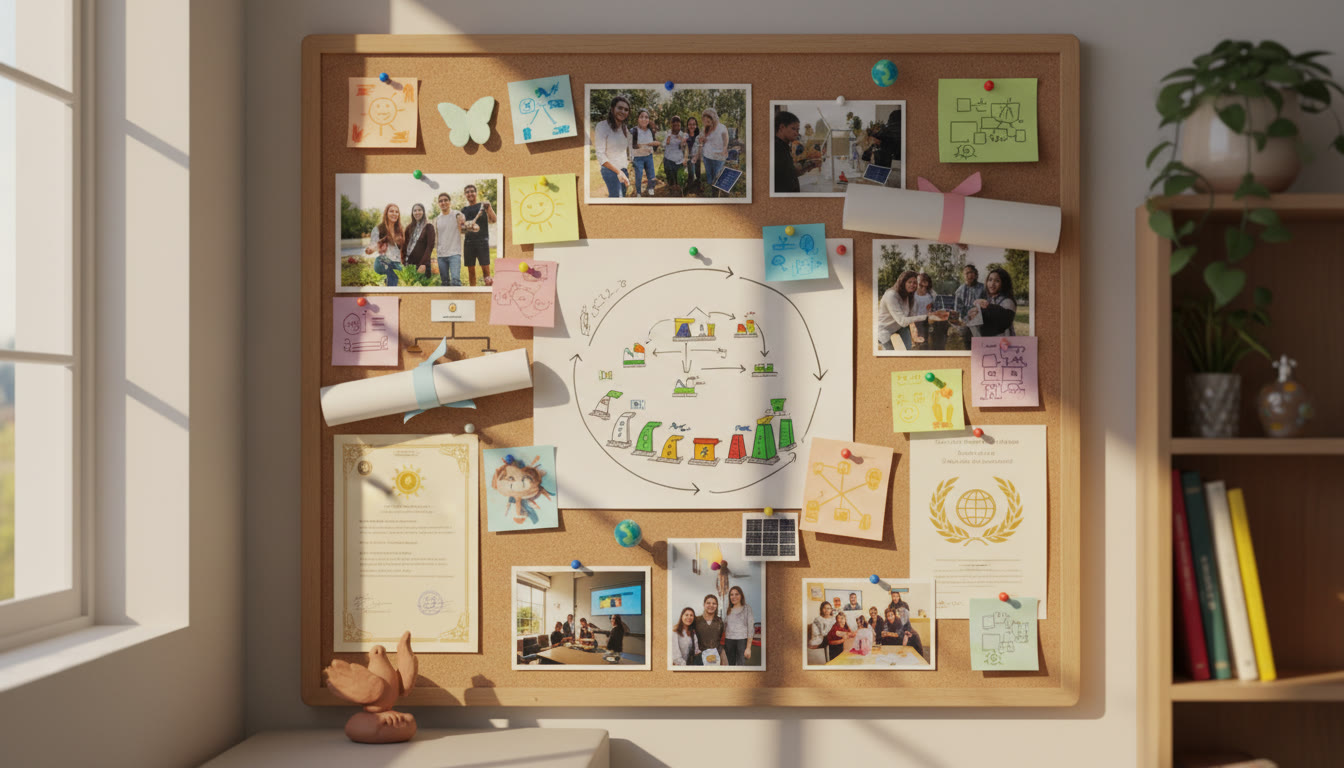

IB DP Activities Strategy: Build a Spike Profile That Admissions Remember
For many IB students the extracurricular part of your file feels like a scramble: clubs, sports, volunteering, competitions—how do you stop sounding like everyone else? The answer that consistently helps applications stand out is a well-chosen and well-evidenced “spike”: a narrow area of real depth that shows curiosity, commitment, impact and intellectual growth. This guide walks you through choosing, growing and presenting a spike so your essays, interviews, teacher references and timelines all tell the same memorable story.
Why a “spike” matters more than a laundry list
Admissions teams read hundreds or thousands of profiles each cycle. A long list of activities without a through-line is easy to skim and forget. A spike gives the admissions reader a focal point — a recurring theme that signals interest turned into action. Think of the spike as an organizing narrative: it turns disparate achievements into a single, convincing piece of evidence that you are the rare student who pursued depth, not just breadth.
What exactly is a spike?
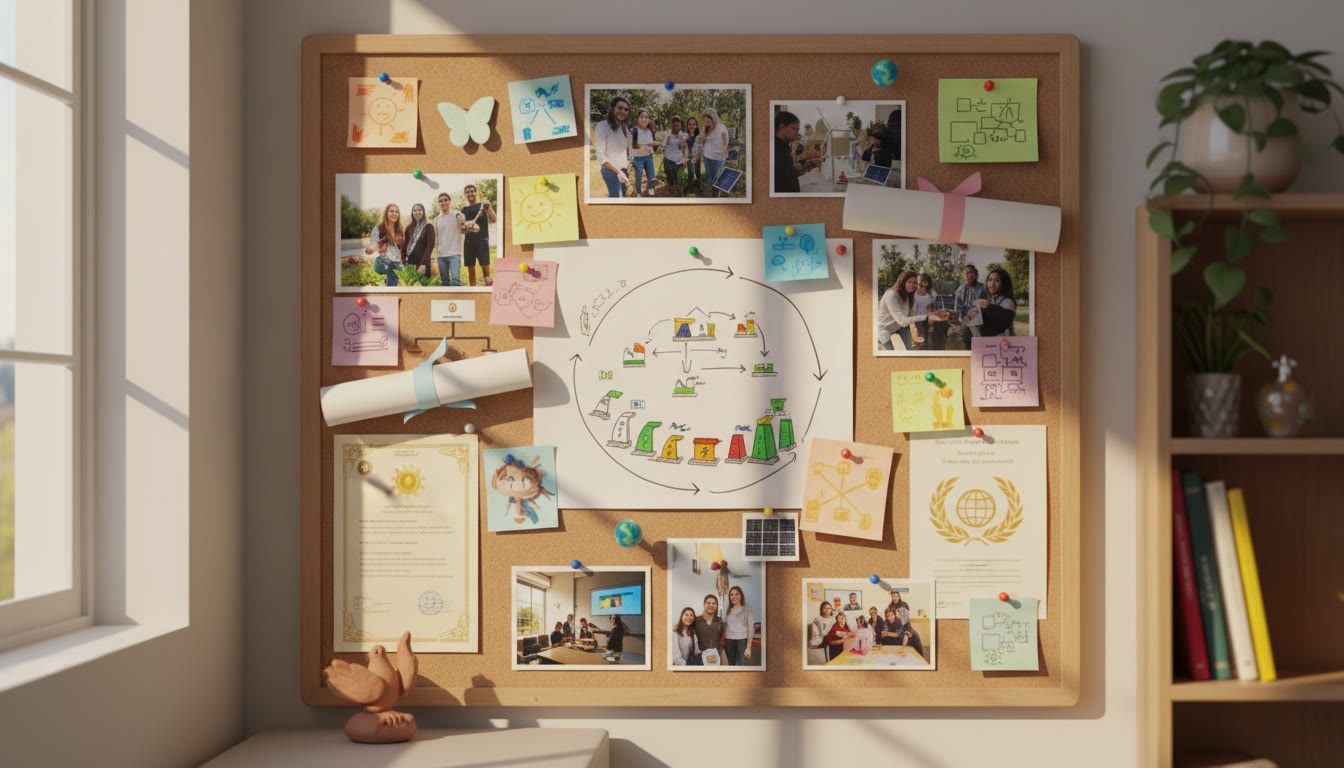
A spike is not just doing well in one thing; it’s a concentrated, sustained effort in a focused domain that produces tangible outputs or leadership. It might be lab research that leads to a poster presentation, an arts project that culminates in a public exhibition, a community program that scales to other schools, or a social venture that recruits volunteers and secures small grants. The key ingredients are depth (sustained time and increasing complexity), impact (something changed or was created), and reflection (you can explain the learning arc clearly in writing and in person).
How a spike strengthens essays, interviews, references and timelines
When you build a spike intentionally, every element of your application strengthens the others:
- Essay: you have a focused narrative and concrete anecdotes rather than vague platitudes.
- Interviews: you can speak confidently about challenges, methods, results and next steps.
- Teacher references: recommenders can give specific examples of your initiative and growth tied to the spike.
- Timeline: your activity log shows deepening responsibility and measurable outputs rather than sporadic attendance.
Choosing the right spike for you
Picking a spike is partly strategic and mostly personal. It should be something you can sustain through the Diploma and that connects to your genuine interests or curiosities.
Questions to help you choose
- What are you still doing willingly after school hours when no one’s watching?
- Where have you already started to accumulate small wins (presentations, awards, leadership roles)?
- What resources do you have access to (mentors, labs, local organizations, performance spaces)?
- Can this interest generate tangible outputs in time for applications—projects, competitions, public exhibitions, or demonstrable community change?
Real spike examples: concrete, believable, replicable
Below are real-style profiles—not fictional celebrities—designed to show variety, realistic timelines and what admissions officers remember. Each example includes: what the spike looks like, sample outputs, how to use it in essays/interviews, and evidence to collect.
1) STEM Research Spike (Biology / Environmental Science)
What it looks like: regular work with a teacher or university mentor, designing an experiment, collecting data across seasons, presenting at a student symposium, and writing a structured research report that feeds into the Extended Essay or a regional science fair.
- Outputs: research poster, Extended Essay with original data, student conference presentation, local media mention or school science day.
- Essay angle: a focused anecdote about a failed experiment that taught experimental rigor and intellectual humility; show how a methodological change produced clearer results.
- Evidence: lab notebook snapshots, poster images, mentor emails, symposium program.
2) Computer Science / Tech Spike (Project & Collaboration)
What it looks like: building a functioning app or model used by others (e.g., a scheduling tool for a community center), contributing to open-source projects, mentoring peers in coding club, and iterating on user feedback.
- Outputs: deployed prototype, GitHub repo with documented commits, user testimonials, code demo video.
- Essay angle: describe the design-thinking process and how user feedback reshaped technical choices. Admissions love students who show product thinking and empathy.
- Evidence: GitHub link (portfolio), screenshots, user metrics, recommendation from a mentor or community partner.
3) Arts Spike (Performance, Composition, or Visual Arts)
What it looks like: a sustained creative practice culminating in public shows/exhibitions, original compositions, collaborations with peers, or a self-curated showcase that attracts public audience and critique.
- Outputs: exhibition catalogue or program, recorded performances, reviews or audience feedback, curated portfolio.
- Essay angle: reflect on how critique shaped your voice and technical growth; show a finished work and the iterations behind it.
- Evidence: high-quality images, performance video clips, press/feedback excerpts.
4) Community & Social Impact Spike
What it looks like: identifying a local need, creating an ongoing program (e.g., literacy tutoring, health awareness campaign), recruiting volunteers, and measuring changes (participation, improvement in outcomes).
- Outputs: program reports, growth metrics, testimonies, small grants or partnerships with local institutions.
- Essay angle: narrate the problem, your strategy to pilot and scale, and the lessons about leadership and ethics.
- Evidence: before/after metrics, photos of activities, partnership emails.
5) Entrepreneurship / Social Enterprise Spike
What it looks like: launching a small business or social enterprise with a business plan, customer validation, and revenue or sustained community engagement.
- Outputs: business plan, customer testimonials, small revenue figures or partnerships, marketing collateral.
- Essay angle: discuss a pivot born of customer feedback; emphasize learning from failure and iteration.
- Evidence: financial summary, screenshots of product pages, letters from customers/partners.
6) Sports Leadership Spike
What it looks like: a sustained athletic focus with leadership (team captain, coach-in-training), program development (training plans, outreach to younger players), and measurable improvement or competition results.
- Outputs: leadership roles, coaching sessions run, competition records, training program documents.
- Essay angle: focus on discipline, teamwork and a specific turning point where you shifted from competitor to leader/mentor.
- Evidence: match records, coaching schedules, testimonials from teammates.

Two-year DP timeline (sample): map milestones, weekly time, and evidence
Below is a practical sample timeline to show how depth can be developed across the Diploma. This is a suggested framework — adapt it to subject choices and personal rhythms.
| Stage | Approx. timing | Suggested weekly time commitment | Key milestone | Evidence to collect |
|---|---|---|---|---|
| Exploration | Start of DP Year 1 | 3–6 hrs/week | Project proposal, mentor identified | Project notes, emails with mentor |
| Pilot & skill-building | First two terms | 5–8 hrs/week | First prototype/pilot, small presentation | Project drafts, pilot feedback |
| Deepening | Mid DP Year 1 to Year 2 | 6–10 hrs/week | Major deliverable (poster, performance, launched service) | Multimedia records, external validation |
| Polish & dissemination | Late DP Year 2 | 4–8 hrs/week | Public presentation, write-up for EE or portfolio | Final report, press, metrics |
| Reflection | Final months | 2–4 hrs/week | Clear reflection narratives for essays and CAS | Reflective log, teacher comments |
Notes on the table
These hour ranges are illustrative. Some spikes (e.g., elite sports or large research projects) may demand more time; others (a high-impact community program) may be bursty but still show longitudinal leadership. The consistent factor is increasing responsibility, concrete outputs and documented reflection.
Essay tactics: how to make the spike breathe on the page
Turning a spike into a compelling essay is less about listing achievements and more about storytelling with evidence. Use a tight structure: situation → complication → specific actions → concrete outcome → insight. Concrete sensory detail and a short moment of narrative (a lab night, rehearsal, or a late phone call to a partner) make essays memorable.
- Show, don’t tell: instead of “I am passionate about research,” write about a single failed trial that forced a methodological rethink.
- Quantify impact: “I trained 24 volunteers who collectively delivered 720 tutoring hours” reads better than “I led tutoring.”
- Connect to future intentions: briefly explain how the spike informs your intended study or worldview.
Interview prep
Interviews are your chance to bring the spike to life. Prepare a three-minute narrative about the spike: origin, a key challenge, your role in solving it, and what you learned. Practice concise technical explanations so you can explain complex work without jargon. Mock interviews—ideally with teachers or mentors who know the project—help refine clarity and confidence.
Use CAS, Extended Essay and Internal Assessments to reinforce your spike
IB components can be powerful amplifiers of a spike. Align CAS goals with your spike so your reflection journals show sustained growth. Where appropriate, tie your Extended Essay to a research question that advances your project. Internal Assessments may offer avenues to collect formal evidence (data sets, recordings, formal evaluations) you can reference in applications.
How teachers can help
- Ask teachers who directly observed your spike to write references that cite specific moments—don’t rely on general praise.
- Provide recommenders with a short one-page brief: timeline of activities, key outputs, and suggested anecdotes they might mention.
- Invite a teacher to an early presentation of your work so they can comment on both process and outcome.
Common mistakes students make (and how to avoid them)
- Shallow breadth: collecting many minor activities without depth. Remedy: prune until the spike is visible.
- No measurable evidence: saying you led something without numbers, testimonials, or artifacts. Remedy: document as you go.
- Changing spikes too often: jumping from one project to another prevents sustained growth. Remedy: commit for a meaningful period and pivot only with good reason.
- Letting CAS be the only record: CAS reflection is good, but also keep portfolios, media, and mentor emails.
- Failing to reflect: admissions read reflection as much as activity. Make sure you can articulate why the spike mattered to your thinking and plans.
Practical toolkit: how to log evidence and present a spike
Build an evidence kit as you work. Simple, shareable artifacts make life easier during application season:
- Digital portfolio: a private site or PDF with dates, images, short captions and links to hosted media.
- Project folder: week-by-week notes, meeting minutes, and milestone deliverables.
- Multimedia: short video clips, photos, or demo recordings that show you in action.
- Metrics dashboard: a one-page summary of outcomes (participants, views, improvements, revenue).
For students who want structured support—mock interviews, portfolio reviews, or tailored study and activity plans—tools like Sparkl can provide 1-on-1 guidance and tailored study plans that help prioritize milestones and polish essays. Using mentorship to rehearse narratives and tighten evidence often makes the difference between a good application and a memorable one.
Final checklist before you submit applications
- Do all your materials (essay, resume/activity list, portfolio) tell the same spike story?
- Can you describe your spike in three minutes and in one sentence?
- Do your recommenders have a one-page brief that highlights spike-related anecdotes?
- Have you collected hard evidence (photos, metrics, letters, project artifacts) and stored them in an organized folder?
- Have you practiced interview answers that connect personal growth to concrete outcomes?
Developing a spike during the IB Diploma is less about ticking boxes and more about cultivating a practice: choose something that draws you back because you enjoy the struggle, commit to improving it in measurable ways, and be prepared to tell that story with artifacts and reflection. The combination of sustained effort, clear evidence and thoughtful reflection is what turns ordinary activity lists into a memorable profile that admissions officers can understand at a glance.
Building depth during the Diploma rewards patience, strategic thinking and honest reflection; treat the spike as a timeline of learning and impact that you can narrate clearly across essays, interviews and teacher recommendations.
This closes the guide on building and presenting a spike in the IB Diploma and offers concrete steps to plan, execute and document deep extracurricular work for stronger university applications.

























No Comments
Leave a comment Cancel