
IB DP CAS & Profile Building: How to Combine Two Small Activities Into One Big Narrative
Balancing the Diploma Programme is a reasonable challenge: heavy courses, deadlines, and the expectation that your CAS folder demonstrates genuine learning. Many students think more activities equal more credibility. In reality, the opposite is often true. Two thoughtfully connected activities that produce measurable learning and genuine reflection will say far more about you than a long list of disconnected tasks.
In this post I’ll walk you through a practical, student-friendly approach to take two small activities and craft them into a single, memorable narrative. You’ll learn how to choose a theme, structure evidence, write powerful reflections, and package everything in a way that communicates growth — not just participation.

Why a single narrative matters more than a shopping list of activities
A coherent narrative shows development: you notice a problem, test an idea, iterate, lead or collaborate, and reflect on what changed. That analytical arc is what CAS assessors and university readers look for. It demonstrates the kinds of intellectual habits that matter across the Diploma Programme — planning, evidence-based adjustments and purposeful reflection.
There’s a second, practical benefit: focus. Two connected activities help you concentrate your effort and your documentation. Instead of juggling multiple supervisor relationships and scattered evidence, you can build a tidy portfolio that clearly maps objectives to outcomes. That clarity makes your achievements easier to validate and to present in personal statements or interviews.
Start with a ‘north star’: pick a central theme
Your ‘north star’ is a short phrase that explains why these two activities belong together. It might be problem-based (improving local food access), skill-based (building science communication skills) or identity-based (exploring intergenerational connection). The theme is not a marketing line — it’s your organizing logic. Every decision, piece of evidence and reflection should tie back to it.
Quick prompts to find your theme
- What issue do you naturally care about and spend time on outside school?
- Which activities are you willing to sustain for months rather than weeks?
- Which pairing will allow you to create measurable change or clear learning moments?
Answering these questions will usually reveal a theme that genuinely connects two activities — and that makes the story credible.
Three concrete examples that turn two activities into one narrative
Here are detailed examples showing how small seeds can grow into portfolio-worthy projects. Each example names a theme, lists the seed activities, and shows a realistic narrative arc.
Example 1 — Food Literacy & Youth Workshops
Theme: Increasing food literacy to support local resilience.
- Activity A: Weekly volunteer shifts at a community food bank (sorting, distribution, observing supply patterns).
- Activity B: Monthly hands-on cooking workshops for local middle-school students focused on affordable, nutritious meals.
Narrative arc: After several volunteer shifts you notice a pattern — recipients repeatedly ask for basic cooking advice. You pilot a one-hour workshop, gather participant feedback, revise the curriculum and pack simple take-home recipe cards. Evidence includes attendance logs, pre/post workshop knowledge quizzes, photos of workshops, and a short supervisor testimonial from the food bank manager.
Example 2 — Coaching & Peer Mentoring
Theme: Fostering confidence and resilience through sport.
- Activity A: Assisting the junior athletics squad twice a week — planning drills and leading warm-ups.
- Activity B: Facilitating peer-mentoring circles that pair older and younger students for weekly check-ins.
Narrative arc: You observe timid new players during drills and test combining short mentoring conversations with coaching exercises. After three months you measure attendance and use short confidence surveys to show improvement, document sessions with coach notes, and collect participant reflections for evidence.
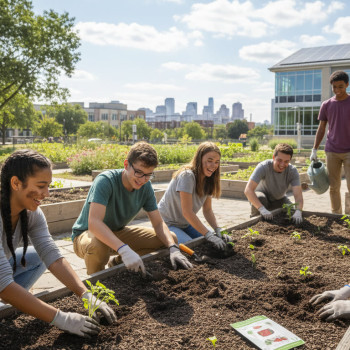
Example 3 — Urban Gardening & Documentary Storytelling
Theme: Local ecology meets community storytelling.
- Activity A: Maintaining a small school garden, learning planting schedules and soil management.
- Activity B: Producing short documentary clips interviewing neighbors about their experiences with local green spaces.
Narrative arc: The garden becomes a base for outreach — you invite neighbors to garden days and record mini-interviews. Results include restored garden beds, increased volunteer sign-ups, and a short film shown at a school event. Evidence includes time-stamped photos, volunteer sign-in sheets, and the film file with viewer feedback.
How to map activities to CAS strands, learning outcomes and evidence
| Theme | Activity A | Activity B | CAS Strand(s) | Learning Outcomes | Evidence |
|---|---|---|---|---|---|
| Food literacy | Food bank volunteering | Cooking workshops | Service, Creativity | Planning, collaboration, ethical reasoning | Attendance logs, recipes, before/after tests |
| Confidence through sport | Junior coaching | Peer mentoring | Activity, Service | Leadership, resilience, communication | Coach notes, survey results, reflections |
| Local ecology | School garden | Documentary interviews | Creativity, Service | Initiative, collaboration, project management | Video files, volunteer sheets, community emails |
Step-by-step method: from idea to portfolio-ready narrative
Below is a practical method you can use on your own or with a mentor. Each step is small and achievable, and together they form a reliable workflow.
1. Map the overlap and write a theme statement
- Write one sentence that explains why the two activities belong together. Keep it specific and honest.
- Use that sentence as the title line on the first page of the portfolio section for this narrative.
2. Translate the theme into measurable learning objectives
- List 3–5 outcomes such as ‘builds leadership’, ‘increases community reach’, or ‘develops communication skills’.
- Attach simple measures to each: pilot attendance, surveys, number of sessions, or qualitative testimonials.
3. Create a shared timeline with clear milestones
- Set a pilot date, a midpoint review and a final showcase or reflection point.
- Block these dates on a calendar and share them with supervisors so expectations are aligned.
4. Plan evidence deliberately
- Decide early what primary evidence will be (photos, signed logs, videos) and what will be secondary (surveys, feedback forms).
- Collect dated items consistently; a single photo with a timestamp and short caption is far more useful than an album without context.
5. Reflect with purpose
- Write short reflections after each milestone: what you did, what worked, what didn’t, and one concrete change you will make.
- Keep reflections evidence-linked: refer to attendance numbers, quotes or photos, and explain how those items influenced your decisions.
Reflection prompts to move from description to deep learning
Good reflections explain why something mattered. Use prompts that encourage analysis and transfer of learning:
- What assumption did I test, and what did I learn from the result?
- Which moments required leadership, and how did I exercise it?
- How did feedback from participants or supervisors change the project?
- What skills did I develop that I can apply to other academic or community contexts?
- Which ethical considerations emerged and how were they addressed?
Sample reflective entry (structured)
Week 6 — Midpoint reflection: I piloted three cooking sessions with an average attendance of 12 students (attendance log). Feedback showed participants wanted cheaper ingredient options, so I adapted the recipes to include pantry staples. This change increased engagement by 25% the following week. I noticed my planning improved when I solicited feedback in advance; I will now circulate a short questionnaire before each session to focus materials and learning objectives.
Packaging the portfolio: language, layout and impact statements
Presentation matters as much as content. A tidy layout and concise language help assessors quickly understand the arc and your contribution.
Suggested layout
- Title & one-line theme statement
- Timeline with milestone dates
- Short activity descriptions with supervisors’ names
- Evidence labeled by type and date
- Chronological reflections keyed to specific evidence
- Final impact statement that synthesizes outcomes and learning
Short impact statement examples
- “Designed and delivered a food-literacy program reaching 120 students, documented by attendance logs and a 30% average improvement in a basic nutrition quiz.”
- “Built a mentoring system that paired 20 junior athletes with older peers, resulting in documented improvements in participation and confidence.”
Supervisor engagement: what to ask and how to document it
Supervisors can be helpful validators. Treat them as partners who provide verification and feedback, not as editors of your reflections. Here are practical meeting prompts and an email template to request a short observation or comment.
- Meeting prompts: “Can you observe a session and note one strength and one suggested improvement?” “Would you be willing to sign an attendance sheet after each event?”
- Email template: “Hello [Supervisor], I’m building my CAS portfolio around [theme]. Could I schedule a 15-minute observation on [date]? I’d appreciate a short comment on [aspect], which I’ll include as evidence.”
Keep supervisor comments short and specific — a line or two is sufficient when combined with dated evidence.
Connecting CAS narrative to Diploma learning
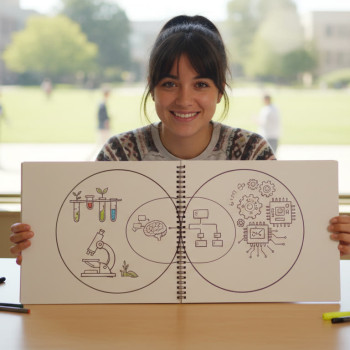
CAS is not separate from your studies. A good narrative will show how skills developed in CAS strengthen academic work: lab skills that support a Biology investigation, communication practice that enhances presentations in English or TOK, or project planning that informs an Extended Essay timeline. Point these links out in your final reflection to show integrated, interdisciplinary growth.
Ethics, permissions and data handling
When you collect photos, video or personal testimonials, be mindful of consent and privacy. Always obtain permission from participants (or guardians for minors) and note that permission in your evidence folder. Redact personal data when necessary, and include a short statement in your portfolio describing how consent was gathered and stored.
Using external support responsibly
Sometimes you’ll want help refining language or organizing evidence. External tutors or mentors can accelerate the process, provided they don’t take ownership of your reflections. If you opt for guided support, look for help that focuses on structure and clarity rather than writing content for you. For example, Sparkl offers 1-on-1 guidance, tailored study plans, expert tutors and AI-driven insights that can help you present your work more clearly while keeping authorship firmly yours.
Be transparent about the role of any external help in your reflections: say where you received feedback and how you incorporated it. This keeps the work honest and the learning traceable.
How to reference external help in a reflection
- “After a one-hour structure session with my mentor, I reorganized my timeline to better distribute workload, which helped increase volunteer retention.”
- “I used editorial feedback to tighten my impact statement; the ideas and outcomes are mine, the feedback helped the presentation.”
Translating your CAS narrative into admissions language
The story you tell in CAS can be adapted for personal statements and interviews. Admissions readers like clear, outcome-focused language. When translating your narrative, emphasize actions and evidence rather than process alone.
- Weak: “I organized some workshops and helped at the food bank.”
- Stronger: “I designed and led a series of three food-literacy workshops for 120 students, adapting the curriculum after initial feedback and documenting a 30% improvement in basic nutrition knowledge.”
Use concrete metrics where possible, but remember that qualitative impact (powerful participant quotes, a meaningful testimonial from a supervisor) is also persuasive. Keep statements brief and specific.
Sample timeline you can adapt
- Month 1 — Research and pilot: observe existing activities, write a one-page plan, pilot one session.
- Month 2 — Iteration: adjust based on feedback, begin weekly evidence collection.
- Month 3 — Scale: run regular sessions, collect surveys and supervisor comments.
- Month 4 — Showcase and reflect: present outcomes, finalize reflections and impact statement.
Common pitfalls and how to avoid them
Students sometimes force a connection between activities that don’t genuinely intersect, or they group things together without adequate reflection. Prevent these mistakes by staying honest: if a theme feels fake, pick different activities or narrow the theme until it fits.
- Avoid superficial links. If the connection is purely logistical (same day, same place) find a deeper purpose.
- Don’t sacrifice depth for breadth. A coherent narrative requires meaningful reflection and durable evidence.
- Coordinate supervisors so everyone agrees on the shared goals and how to capture evidence.
Final academic reflection
Pairing two small CAS activities into a coherent narrative trains you to think like a researcher and a project manager: you frame a question, test interventions, measure outcomes and reflect on learning. That process mirrors academic inquiry across the Diploma Programme and produces a portfolio that demonstrates authentic growth, transferable skills and a clear commitment to making learning matter beyond the classroom.























No Comments
Leave a comment Cancel