

IB DP Global Admissions: Where to Apply for Design & Architecture
You’ve fallen in love with spaces, sketchbooks, model-making and the idea that a single clever detail can change how people move through a place. The IB Diploma Programme has given you a toolkit of critical thinking, research, and creativity — and now it’s time to match that toolkit to the right university and admissions pathway. This guide is for IB DP students who want design or architecture: a country-by-country look at where IB skills translate best, what selectors actually look for, and how to shape your portfolio, statements and timeline so your application feels honest and strong.

Why the IB DP is a great springboard for design and architecture
The IB trains you to ask big questions, to research with curiosity, and to show your thinking — all of which are exactly what design and architecture programs want. Subjects like Visual Arts or Design Technology give you technical and conceptual practice; Theory of Knowledge sharpens your ability to analyze ideas; and the Extended Essay gives you a chance to explore architecture-related topics in depth. Admissions teams love candidates who can show both conceptual maturity and craft.
That said, architecture and design admissions value evidence of design thinking as much as grades. A polished portfolio, thoughtful reflections, and examples of iterative work usually carry more weight than a single perfect drawing. Your IB experience lets you tell a design story that bridges process and outcome — use it.
Core elements admissions committees look for
- Portfolio / creative work: Sketches, process pages, models, technical drawings, 3D renders or prototypes that show development from idea to finished piece.
- Academic readiness: Solid results in relevant subjects (math/physics for architecture pathways that are technical; art/design for concept-heavy programs).
- Research and reflection: Thoughtful essays, EE topics tied to design, and the ability to explain why a project matters.
- Interview or design task: Many schools ask for a short design challenge or conversation to test thinking in the moment.
- Recommendations: Teachers who can describe your process, resilience, and collaborative skills.
What to focus on in your portfolio
Think of the portfolio as a curated walk-through of your design mind. Avoid simply showing finished images; show sketches, failures, iterations, short captions explaining decisions, and evidence of materials, models or user research. A successful portfolio balances breadth (range of skills) and depth (projects you explored well).
- Include process pages with dates and short notes on what changed and why.
- Show a mix: hand-drawing, digital work, physical models, photographs from built prototypes, and annotated plans or diagrams.
- Keep it concise: most admissions reviewers appreciate clarity and good sequencing more than endless pages.
- Where relevant, show collaborative and community projects — design is often social.
Country-by-country pathways: strengths, timing and tactical advice
Different countries have different rhythms, expectations and paperwork. Below are practical notes that matter for IB DP students applying to design or architecture programs.
United Kingdom (UCAS)
UK architecture and design programs are studio-centered and often expect a strong portfolio and interview. Important: for the upcoming entry cycle UCAS has moved to a new “3 Structured Questions” format — Motivation, Preparedness, Other Experiences — that replaces the old single long personal statement. Tailor each of your three answers: use “Motivation” to say why a particular program or studio approach appeals to you, “Preparedness” to show how your IB choices and projects prepared you for studio work, and “Other Experiences” to include relevant extracurriculars, community projects or awards.
Because UCAS now structures responses, be concise and evidence-driven. Portfolios remain central: expect to submit a well-sequenced selection and, in many cases, attend an interview or complete a short design task.
United States
US schools offer a broad spectrum: highly selective architecture programs with strong design studios, liberal-arts–linked design degrees, and B.Arch professional routes. Admission looks at your portfolio, academic record and, depending on school and program, standardized tests may be optional. The US often gives more holistic consideration to personal statements, extracurriculars, and fit with a program’s pedagogy.
Tip: for students who want to avoid early specialization, the US has many advantages. If you have a clear portfolio and strong project narratives, you’ll be competitive even without perfect test scores.
Canada
Canadian universities are attractive for IB students because many translate IB scores directly and offer scholarships for strong DP results. A critical distinction in Canada is between “Automatic Entrance Scholarships” — these are grade-based and awarded on the basis of IB predicted or final scores — and “Major Application Awards” — these require separate, program-specific applications that often ask for portfolios, essays or nominations and look for leadership or design-related achievement. Do not call these systems “lanes” — use the official language above when communicating with university offices.
Some architecture/design faculties in Canada may require a supplementary portfolio or an assessment by the faculty; plan ahead and review each program’s application checklist carefully.
Netherlands
The Dutch system includes highly competitive technical and design programs. Some degree programs are Numerus Fixus (limited places) and have their own earlier deadline; for Numerus Fixus engineering and closely related programs — including some aerospace and technical design programs at schools like TU Delft — the deadline to submit your application and any selection materials is January 15th, which is significantly earlier than general deadlines. If you’re aiming for a Numerus Fixus program, prepare your portfolio and any motivation materials well ahead of time and watch language and selection requirements carefully.
Switzerland — EPFL and the ranked admissions change
Switzerland offers rigorous technical environments and studio cultures with strong research links. A very important note for international applicants: EPFL’s recent admissions approach includes a capacity cap for international bachelor students — the latest announced cap is 3,000 students — and admissions have shifted to a more competitive, ranked process rather than a simple cutoff based purely on grades. That means you will be competing in a ranked pool where project work, supplemental materials and relative standing matter. If EPFL is on your shortlist, prepare a sharp portfolio, highlight demonstrable math/physics ability if relevant, and pay attention to any supplemental evaluations.
Singapore
Singapore’s top universities are highly regarded for design and built-environment disciplines. One practical quirk for IB applicants is that offers often arrive later in the cycle — often mid-year — which can leave a gap risk if you are waiting on results while other countries make earlier offers. Plan financial and calendar contingencies, and if you need an earlier placement decision it’s sensible to have backup options.
Australia and Germany
Australia offers studio-focused degrees and flexible pathways; many programs accept IB and appreciate portfolios. In Germany, tuition can be low or free for public institutions, but language requirements and program-specific entrance processes (and occasionally selection quotas) are important; some architecture programs use a selection portfolio or aptitude test. For both countries, confirm language and accreditation aspects early — some professional pathways require specific steps for licensure.
Quick comparison table — how countries stack up at a glance
| Country / Region | Why it’s good for IB design/architecture students | Application highlights | Timing & practical note |
|---|---|---|---|
| United Kingdom (UCAS) | Strong studio culture, clear professional accreditation routes. | Portfolio + interviews; UCAS now uses 3 Structured Questions (Motivation, Preparedness, Other Experiences). | Prepare portfolio early; follow UCAS structured responses closely. |
| United States | Wide range of studio approaches, cross-disciplinary opportunities. | Portfolio, essays, optional tests; interviews for some programs. | Early/Regular decision options vary; holistic review is common. |
| Canada | Clear translation of IB scores; scholarship options. | Automatic Entrance Scholarships (grade-based) vs Major Application Awards (portfolio/nomination-based). | Automatic scholarships depend on IB results; major awards need extra apps. |
| Netherlands | Technical excellence and design-focused tracks. | Numerus Fixus selection for some programs; often needs motivation and portfolio. | Numerus Fixus deadlines (e.g., January 15th) can be much earlier. |
| Switzerland (EPFL) | Intense technical studios and research links. | Ranked, competitive admissions; recent announced cap for international bachelor students (3,000). | Expect selection beyond grades; prepare supplemental materials. |
| Singapore | World-class urban design environments; strong practice links. | Portfolio and academic record; selective. | Offers often arrive later in the cycle (mid-year) — plan for timing gaps. |
Practical checklist: timeline and next steps for IB applicants
Every school is different, but these steps create a useful structure that will make your application feel organized rather than frantic.
- Start your portfolio now: Document process, experiments, models and reflections — your IB projects (EE, IA, Visual Arts) can be rich source material.
- Map deadlines: Note country quirks like the Netherlands’ January 15th Numerus Fixus deadline and mid-year offer timing for Singapore. For UCAS, prepare your 3 Structured Questions responses early.
- Refine project narratives: Write 2–3 short captions for each portfolio piece that explain context, constraints, and what you learned.
- Practice interviews and design tasks: Do mock critiques with teachers, mentors or tutors.
- Check scholarship rules: In Canada, distinguish Automatic Entrance Scholarships (grade-based) from Major Application Awards (application/nomination-based) and prepare accordingly.
How tutoring or one-to-one guidance can help
Personalized support can sharpen your portfolio sequence, strengthen written responses, and simulate interviews. For tailored guidance that pairs subject expertise with admissions know-how, platforms like Sparkl and tutors can help with one-to-one feedback, tailored study plans and AI-driven insights to track progress and polish deliverables. For students who need structure during the portfolio build and UCAS/major-application preparation, targeted mentorship reduces guesswork and increases clarity.
Portfolio building: specific tips that admissions panels notice
Use these practical, concrete moves to make your work clear, original and persuasive.
- Show process first: Start with a project’s earliest sketches, document iterations, show failures, and end with the resolved piece.
- Annotate with intent: Short notes that name a problem you were solving or a user need you addressed add weight to visuals.
- Keep a consistent format: 8–15 strong pieces are usually better than 40 shallow ones — sequence them logically.
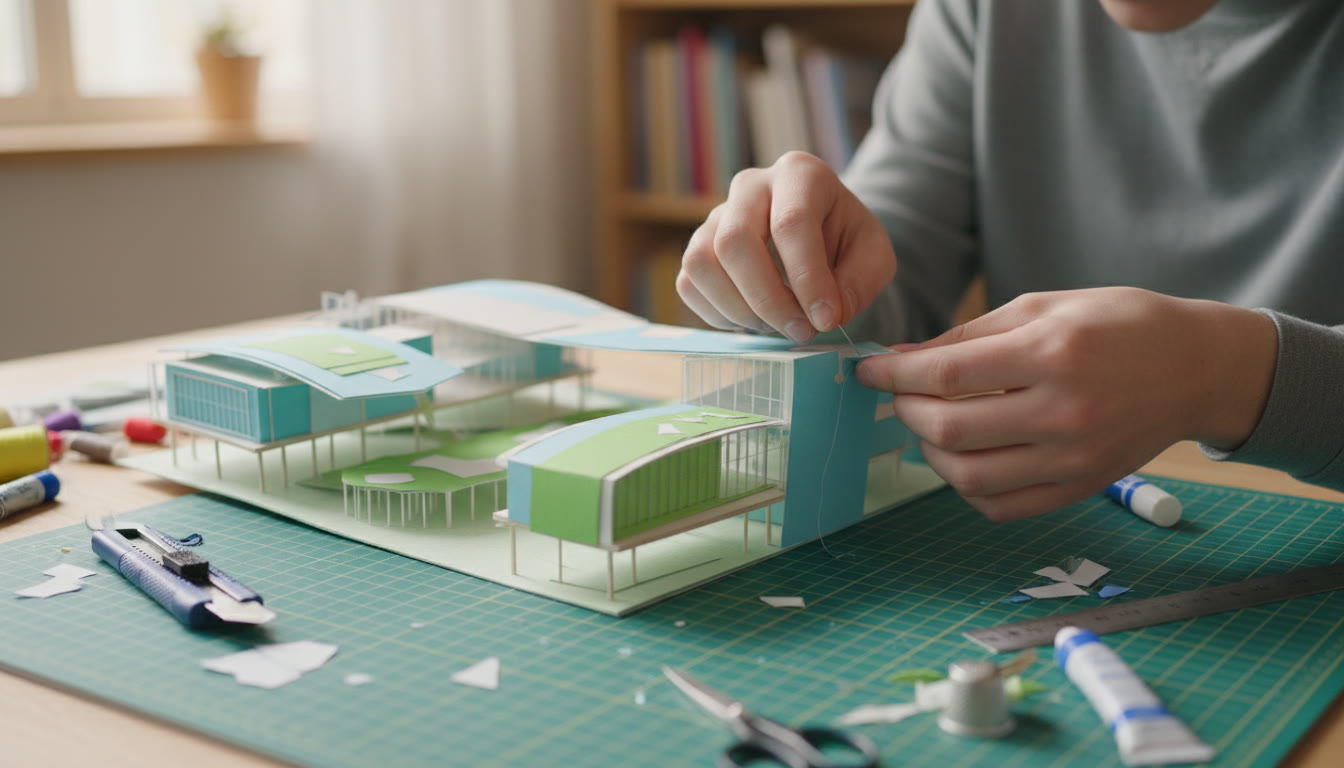
- Show scale: If you built a physical model, include photos that show your hand or a known object to communicate size.
- Mix media: Hand drawing, CAD drawings, models, photography, diagrams and short videos (if allowed) show a rounded skillset.
Interviews, aptitude tests and assessment days
Many design and architecture programs use interviews or short design tasks to see your thinking live. Treat these like studio critiques: explain your choices, be honest about what you’d do differently, and show your process. Practice sketching under time pressure and explaining ideas aloud — clear verbalization of design intent is often decisive.
Managing the international logistics
Visa timelines, portfolio shipping, interview scheduling across time zones and conditional offers based on IB predicted scores are all common realities. If you receive an offer contingent on your final DP score, make sure you and your referees understand how predicted and final scores will be communicated to the university. Keep records of submitted materials and timestamps for any online portfolios or repositories.
Accreditation and professional routes — why it matters
If your goal is to become a licensed architect, pay attention to how a degree fits into the professional accreditation pathway of the country you want to work in. Accreditation bodies differ — and while studio quality is vital, accreditation can shape your next steps after graduation. Check program accreditation notes when choosing a long-term route.
Final checklist before you submit
- Portfolio sequenced and tested on multiple devices (PDF sizing, file formats).
- Essays and UCAS 3 Structured Questions drafted and edited to address evidence and fit.
- Teacher recommendations briefed with examples of your design process.
- Scholarship applications identified and calendarized (note the distinction in Canada between Automatic Entrance Scholarships and Major Application Awards).
- Backup plan for late-offer countries (Singapore) and early-deadline Numerus Fixus programs (January 15th).
Parting guidance: choose the place that fits your studio life
Technical reputation, studio culture, language, cost and professional accreditation all matter — but the single best predictor of success is passion plus process. Pick programs and countries where the studio life matches how you like to work: hands-on, research-led, collaborative, or conceptually driven. Your IB projects can be a bridge — use them to tell a coherent story about your design identity.
This guidance is focused on admissions and preparation strategies for IB DP students aiming for design and architecture programs across global pathways. Keep checking program pages for the most current application details and make sure your portfolio and structured responses clearly connect your IB experience to your chosen creative path.
The end.























No Comments
Leave a comment Cancel