
Introduction: Why the Practical Matters — and how to stop panicking
Practical work is where chemistry stops being abstract and starts to feel real: you measure, observe, reason and explain. For many ISC students the practical exam feels like a separate world from theory — but the truth is it’s one of the best places to showcase your understanding. With a calm plan you can turn nerves into focus, mistakes into lessons, and last-minute cramming into steady competence.

This guide breaks the whole process into clear, human steps: what examiners typically look for, how to prepare your record book, how to rehearse under exam conditions, what to say in the viva, and how to prioritize practice so every hour works hard for you. I’ll include practical checklists, a sample practice timetable, and realistic strategies that fit the ISC-style practical context and the recent updates to exam routines.
Understand the ISC practical mindset: what counts on the day
Start by thinking like an examiner. In a practical, the examiner isn’t just checking whether your final number matches the textbook; they are assessing how you plan, carry out and interpret an experiment. The core strands usually are:
- Clarity of method and safe, confident handling of apparatus.
- Accuracy in measurement and careful observation.
- Organisation: a neat record book, labelled diagrams, and tidy presentation of results.
- Understanding shown during the viva: reasoning, sources of error, and how results tie to theory.
Keep those strands in mind while you practice: technique matters, but so does the story you tell about your result. That story — the method, the observation, the reasoning — is what turns a correct-looking number into evidence of understanding.
Before the lab: essential preparation
Know the syllabus and match the experiment to the learning outcome
Always align your practice to the syllabus topics that are eligible for the practicals in the current cycle. Whether you’re working on titrations, salt analysis, preparation of compounds, calorimetry or qualitative tests, make sure your practice emphasises the conceptual aim of each experiment as well as the practical steps.
Build a reliable record book
A good practical record is readable, dated, and shows thought. Examiners value:
- Clear headings: experiment title, aim, apparatus, reagents, procedure, observations, calculations, and conclusion.
- Neat tables for observations and a separate space for final calculations with units and significant figures shown correctly.
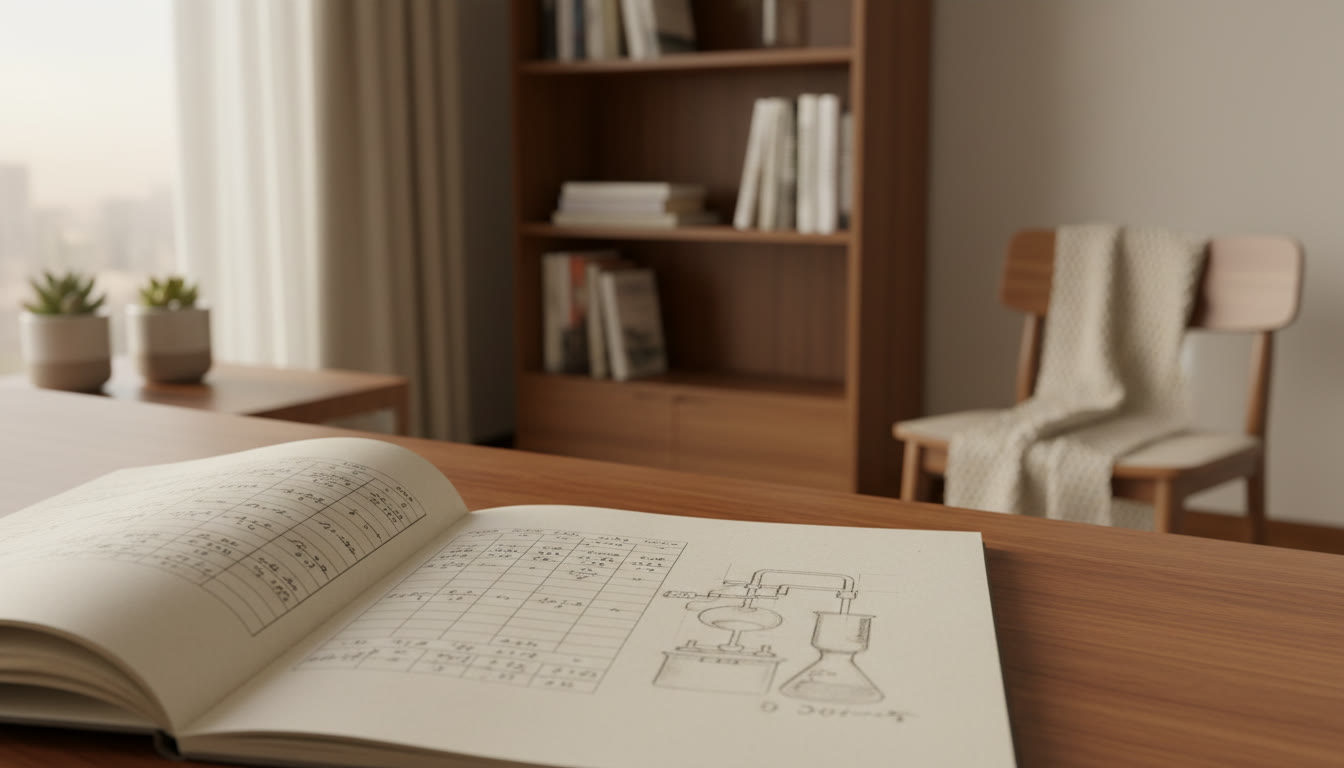
- Simple diagrams of the setup when needed—labelled, proportionate and functional.
Practice writing one complete record every week under timed conditions. That habit sharpens both your speed and presentation.
Organise your kit
Familiarity reduces mistakes. Spend time before practice sessions checking your apparatus, knowing common calibrations (e.g., burette zero-point, pipette delivery) and developing a checklist for the lab bench. A quick pre-lab check saves minutes — and marks — on exam day.
During the lab: technique, accuracy and calm
Set up with purpose
A measured, tidy setup is the foundation of accurate work. Label reagents, place waste and clean-up areas, and align measuring devices where you can read them at eye level. If you practise with a partner at school, try alternating roles: one student executes, the other records observations; swap and discuss afterwards to learn each role.
Measurements: a few rules that save marks
- Read at eye level and account for meniscus when using burettes or pipettes.
- Record measurements immediately — never rely on memory.
- Show all stages of calculation: raw data, processed steps and final answer with units.
- Use appropriate significant figures: don’t invent precision you don’t have, but present calculations cleanly.
Minimise and explain error
No practical is perfectly precise. What counts is whether you can identify and account for common sources of error — parallax in readings, incomplete reactions, contamination, temperature variation — and, where appropriate, suggest ways to reduce them. In the viva, this awareness demonstrates mature experimental thinking.
Viva voce: speak like you understand
Viva can feel intimidating because it’s live and personal. Treat it as a short, focused conversation about what you did and why. Simple, confident answers beat long, uncertain ones every time.
How to prepare for likely questions
- Know the chemistry behind each step of your experiment: why a reagent was added, why a certain temperature was used, or why you chose a particular indicator.
- Memorise a few clear phrases to explain methods concisely: “I added reagent X to ensure complete precipitation by…”
- Practice explaining sources of error and improvement strategies in 30–60 second bites.
Viva practice exercises
Form quick mock vivas with a partner or teacher. One student plays the examiner and asks five short questions; the other answers in plain language. Swap roles. This builds the rhythm of speaking under pressure and keeps your answers crisp and relevant.
After the lab: tidy records and meaningful reflection
Finishing the experiment cleanly shows professionalism. After the final reading, rinse glassware, store reagents safely, and write the final lines in your record book before you leave the bench. A short reflection paragraph in the record book — what went well, what you’d change — is a powerful tool for learning and is often noticed by assessors.
Mock practicals & simulation: rehearse the whole experience
There’s no substitute for simulated practice. Set aside full practical sessions that mimic the exam routine: same time limits, same documentation expectations, and a planned viva at the end. Treat these as tests rather than practice — they reveal weaknesses you can fix.
A four-week focused mock plan (example)
| Week | Focus | Session Plan |
|---|---|---|
| 1 | Technique & record format | Practice three short experiments; write full records; review presentation |
| 2 | Accuracy & calculations | Titration and numerical problems; timed calculation practice |
| 3 | Viva & error analysis | Two mock vivas after each practical; focus on sources of error |
| 4 | Full mock practical | One full simulation under exam conditions; detailed feedback and reflection |
Keep a log of scores or qualitative feedback for each mock: accuracy, presentation, time management, and viva confidence. Over successive mocks you should see improvement in at least two areas; if not, revise your practice focus.
Common experiments and how to prioritise practice
In ISC practicals certain experiment types recur: volumetric analysis, qualitative salt analysis, preparation of inorganic salts, calorimetry and simple organic tests. Prioritise practice by frequency and difficulty: more sessions for titrations and qualitative analysis, fewer for straightforward preparative steps. When you practise, focus on what’s high-value:
- Titrations: repeat until concordant readings are routine and your calculations are fast and error-free.
- Qualitative analysis: practise spotting characteristic tests and writing concise confirmations and inferences.
- Preparations: concentrate on yield calculation, purity checks and proper write-up of steps.
Common mistakes and quick fixes (checklist)
| Problem | Quick Fix |
|---|---|
| Messy or incomplete record book | Use a template for each experiment; write legibly and leave space for calculations |
| Parallax errors in readings | Always set instruments at eye level and mark the meniscus position carefully |
| Poor time management | Practice timed runs and break tasks into segments: setup, execution, calculations, wrap-up |
| Weak viva answers | Practice short, clear explanations and rehearse likely questions aloud |
Safety, ethics and professionalism
Safety isn’t window dressing — it’s assessed. Always show you know the right safety steps: correct PPE, careful handling of acids and bases, correct disposal and quick reporting of spills. In your record book and viva, mention the control measures you used. That shows maturity and responsibility, qualities that examiners value alongside technical skill.
How to use personalised help effectively
Targeted, one-on-one guidance can turn vague weaknesses into precise improvements. If you choose extra support, look for help that gives tailored study plans, focused feedback on technique, and opportunities for mock vivas. For example, Sparkl‘s approach combines expert tutors with targeted practice suggestions and AI-driven insights to identify the small skills that yield the biggest gains. Use personalised sessions to close specific gaps — like steadying your titration technique or structuring viva answers — rather than to cover everything superficially.
Time management: planning your practice hours
Quality beats quantity. Rather than dozens of unfocused hours in the lab, try a weekly routine of short, purposeful sessions plus occasional full mock practicals. A practical schedule might look like:
- Two 60–90 minute technique sessions each week (focus: titration, pipetting, setup)
- One session for record-book practice and calculations
- One mock viva or viva rehearsal per week
- One full mock practical every 2–3 weeks under exam conditions
Track progress with simple metrics: average concordant volumes in titrations, accuracy in repeated calculations, and confidence rating after each viva. Small, measurable improvements are motivating and reliable.
Using feedback well
Feedback only becomes useful when you act on it. After every practice or mock, write down three concrete changes you’ll try next time: a physical habit (e.g., tighten the clamp on the burette), a calculation habit (show intermediate steps), and a communication habit (shorten your viva answers to key points). Revisit these items at the start of your next practice.
Day-before and exam-day routines
Day before
- Prepare your record book and a small checklist of apparatus you’re likely to need.
- Sleep early and avoid last-minute cramming — your hands and mind need steadiness.
- Skim your notes and one well-prepared record; avoid learning new techniques at the last hour.
On the day
- Eat a balanced meal; bring a light snack if allowed.
- Arrive early, set up calmly, and take a deep breath before you begin.
- Follow the plan: read instructions carefully, estimate time for each stage, and leave time to write a tidy conclusion.
Final checklist: what to have in every practical record
- Title, aim and date
- Apparatus and reagents listed clearly
- Procedure in brief but clear steps
- Neat observation table and raw data recorded immediately
- Complete calculations with units and significant figures
- Conclusion, discussion of error and suggestions for improvement
Wrapping up: how practice converts into confidence
Success in ISC Chemistry practicals is less about last-minute miracles and more about steady, focused habits. Use mock practicals to simulate pressure, keep a tidy record to show your thinking, practise viva answers aloud to gain clarity, and prioritise the high-impact skills: measurement accuracy, correct presentation of data, and the ability to explain your results. If you use personalised tutoring time, aim to fix one precise weakness per week so that each session produces visible change. With the right practice structure and a calm approach on the day, the practical becomes a place to demonstrate understanding rather than a source of anxiety.
This concludes the practical preparation guide and finalises the academic guidance on preparing for and performing well in the ISC Chemistry internal practical.






















No Comments
Leave a comment Cancel