
Introduction: Why SAT Stress Matters — and Why You’re Not Alone
The weeks before the Digital SAT can feel like a pressure cooker. For teenagers, the test is more than a few hours on a Saturday: it’s a symbol of hopes, scholarships, and next steps. For parents, it can be a mix of pride, worry, and a desperate wish to help without overstepping. The good news: stress before the SAT is normal, manageable, and—when handled well—can even sharpen focus and performance.
This blog is a practical, human guide for families navigating the final stretch. It blends mindset coaching, study strategies, lifestyle adjustments, and real-world tactics you can try tonight. You’ll find examples, a simple timetable you can adapt, a short checklist for test week, and a sample table comparing stress-reduction techniques so you and your teen can pick what fits best. Along the way I’ll mention how Sparkl’s personalized tutoring can provide calming clarity with tailored plans, one-on-one guidance, and data-driven insights—only where it naturally helps the conversation.
Understand the Nature of SAT Stress
First: normalize it. Feeling jittery before a major exam is part of being human. But anxiety becomes a problem when it interferes with study, sleep, or the ability to think clearly on test day. There are a few common flavors of SAT stress:
- Performance anxiety: fear of underperforming or letting others down.
- Time pressure panic: dread about the clock and finishing sections.
- Information overload: too many strategies, mixed messages, and confusion about what to prioritize.
- Identity stress: when the test feels like it defines your worth or future.
Recognizing which flavor your teen is experiencing helps you select the right responses. For example, time-pressure panic responds well to timed-practice strategies, while identity stress benefits most from conversations that widen perspective.
Start with a Compassionate Conversation
Before you make a plan, have a heart-to-heart. Aim for curiosity over immediate fixes. A simple script can help open the door:
- “Tell me what’s worrying you most about the SAT.”
- “What part of studying feels helpful, and what feels like noise?”
- “If the test went perfectly, what would that look like for you?”
Listen more than you speak. Validation—“I hear you, that sounds stressful”—does more to lower tension than unsolicited advice. Once your teen feels heard, they’re more likely to accept practical help.
Practical Study Habits That Reduce Anxiety
Productive study reduces worry because it creates evidence: practice scores, clear progress, and a predictable routine. Here are study habits that both calm and improve outcomes.
1. Short, Focused Sessions (Quality over Quantity)
Long, aimless study sessions invite fatigue and panic. Try 25–40 minute focused blocks with a single goal (e.g., passage analysis, math concept review, or practice section). Follow each block with a 10–15 minute break. This keeps learning fresh and lowers burnout.
2. Use Realistic, Timed Practice
The Digital SAT has its own interface and pacing. Simulate test conditions with timed sections and a quiet environment. The combination of familiarity and repetition reduces time-related panic and teaches the brain how to allocate attention under pressure.
3. Targeted Weakness Work
Instead of random practice, identify 2–3 specific weaknesses (e.g., data interpretation, grammar choices, algebraic manipulation) and make small weekly goals to improve them. Progress is calming.
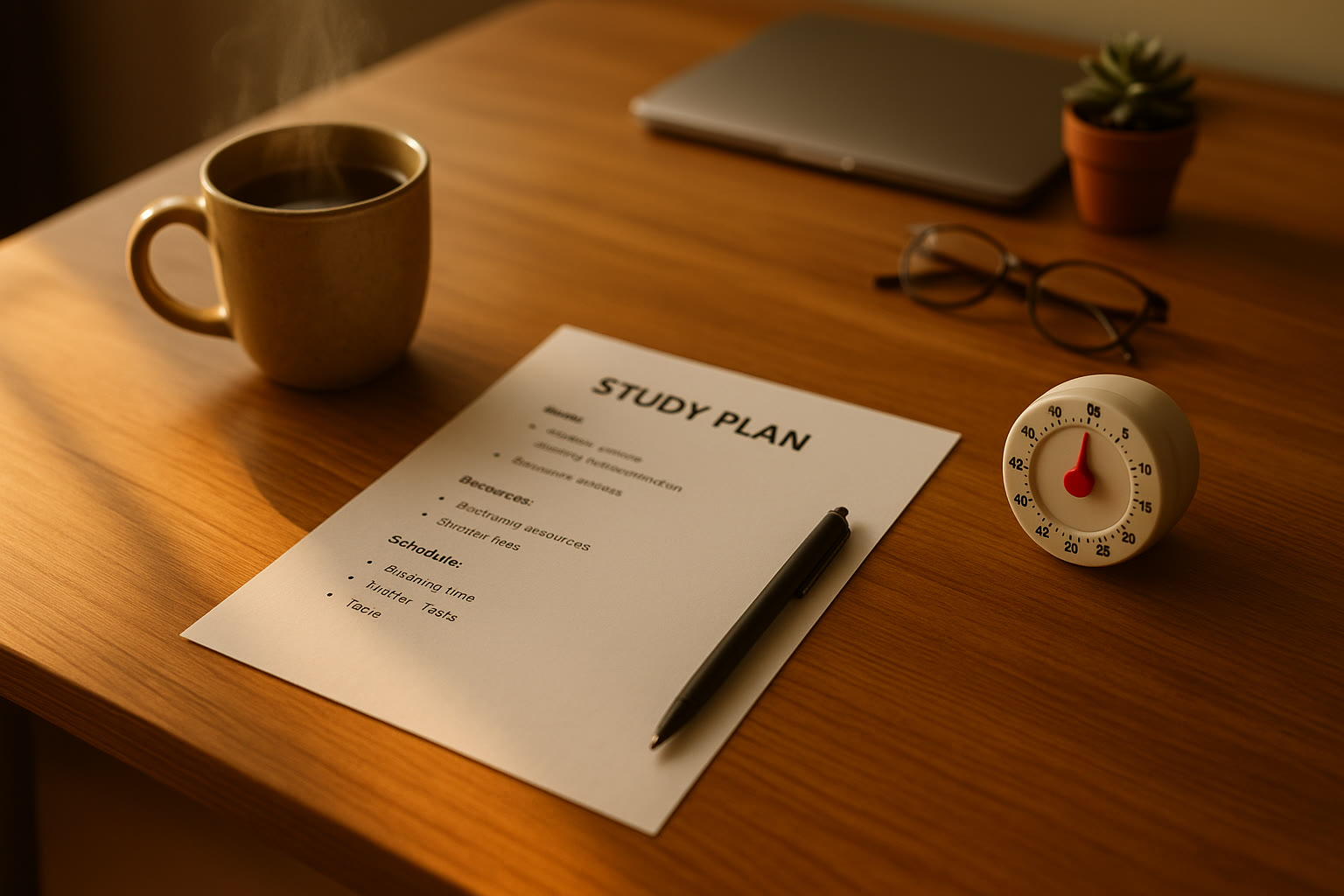
4. Build a Simple, Visual Plan
Create a one-page schedule that marks practice sessions, rest days, and a clear test-week routine. Visual plans transform vague anxiety into concrete steps. Consider color-coding: green for practice, blue for rest, orange for timed tests.
Mindset Tools: Teach Stress to Be Useful
Anxiety isn’t always the enemy. With small shifts, it can become helpful arousal—the kind that sharpens attention. Teach your teen these mindset tools:
Reframe the Feeling
Encourage them to label nervousness as “excitement” or “energized focus.” Studies and anecdotal evidence suggest that reframing bodily symptoms (fast heartbeat, sweaty palms) changes their meaning and reduces negative interference.
Set Process Goals, Not Identity Goals
Instead of “I must get a 1450,” try “I will complete three timed practice sections this week and review every missed question.” Process goals are controllable and reduce the pressure that comes from tying identity to a number.
Practice Recovery Scripts
Teach quick self-talk scripts your teen can use during a difficult question or after a tough practice test: “Pause, breathe, re-read, and do the next thing.” Short, rehearsed phrases reduce rumination and restore control.
Daily Routines That Support the Brain
Brains perform best on consistent, simple routines. Small habits add up to significant stress reduction.
- Sleep: Aim for 8–9 hours during peak prep. Avoid late-night marathon studying the night before a practice test.
- Nutrition: Balanced meals with protein and complex carbs sustain focus; avoid sugar crashes before studying.
- Movement: Even a 20-minute walk or short high-intensity burst can reset mood and attention.
- Screen hygiene: Schedule phone-free study blocks and a wind-down period 60–90 minutes before bedtime.
Sample Daily Routine
| Time | Activity | Purpose |
|---|---|---|
| 7:00–8:00 AM | Breakfast and light review (vocab/flashcards) | Gentle cognitive activation |
| 4:00–5:00 PM | Focused practice block (timed, one section) | Realistic test pacing |
| 5:00–5:20 PM | Movement break | Reset attention and mood |
| 8:30–9:30 PM | Wind-down, light reading, no screens | Improve sleep quality |
Role of Practice Tests: How and When to Use Them
Practice tests are invaluable, but frequency and timing matter. Too many full-length exams can produce fatigue; too few leave surprises for test day. A rational approach:
- 2–3 full-length, timed practice tests in the month before the exam, spaced at least a week apart.
- Shorter, section-level timed practices twice weekly in the final two weeks.
- Always review missed questions. The review is where learning and confidence are built.
After each full practice test, treat it like a lab: log the mistakes, categorize them, and set a targeted mini-plan for the week that follows.
Test-Week Checklist: Practical Steps Parents and Students Can Use
In the week before the SAT, simplicity is your ally. Here’s a checklist you can print and tape to the fridge:
- Confirm test time, digital device requirements, and check-in details (know where you’re going and what you must bring).
- 1–2 light practice sessions only; no cramming. Focus on confidence-building activities instead.
- Prioritize sleep—no late-night studying the night before the test.
- Pack a comfortable outfit, snacks for after the test, and any approved electronics or IDs required.
- Plan a low-pressure activity for the evening after the test—celebration or rest.
Short Breathing and Focus Exercises for the Day Of
On test day, quick, portable tools help. Teach your teen these two exercises:
Box Breathing (2 minutes)
- Inhale 4 seconds.
- Hold 4 seconds.
- Exhale 4 seconds.
- Hold 4 seconds. Repeat 3–4 cycles.
Grounding 5-4-3-2-1 (1 minute)
Identify 5 things you see, 4 you can touch, 3 you can hear, 2 you can smell, 1 thing you can taste (or a single slow breath). This brings attention to the present moment and reduces runaway thoughts.
How Parents Can Provide the Right Kind of Support
Being supportive doesn’t mean fixing everything. It means creating an environment that reduces friction and helps your teen feel competent. Practical ways to help:
- Offer to schedule practice sessions together, or provide quiet study space and meals.
- Avoid pressuring with score talk in the final week—focus on effort and calm.
- Encourage small wins: celebrate a completed timed section or an improved practice score.
- Model calm—your composure strongly influences your teen’s emotional temperature.
When to Consider Extra Support (and What That Looks Like)
If your teen is stuck—consistently anxious, losing sleep, or plateauing in scores—consider stepping up support. This could mean a short-term coach, a tutor who specializes in the Digital SAT, or targeted counseling if anxiety is severe.
Sparkl’s personalized tutoring can be a great fit when you need structure and reassurance. With one-on-one guidance, tailored study plans, and insightful progress tracking, a tutor helps transform vague worry into a focused pathway forward. This is particularly useful for teens who feel overwhelmed by mixed advice online or who need help prioritizing what to study most effectively.
Comparing Stress-Reduction Techniques: A Practical Table
Use this quick comparison to pick a handful of strategies that match your teen’s needs.
| Technique | Best For | Time to Implement | Expected Benefit |
|---|---|---|---|
| Timed practice sections | Time-pressure panic | 30–50 minutes | Better pacing, reduced test-day panic |
| Short focused study blocks | Fatigue, procrastination | 25–40 minutes | Less burnout, sustained focus |
| Mindset reframing | Identity-based stress | 5–10 minutes (daily) | Reduced catastrophic thinking |
| Breathing/grounding | Immediate test-day anxiety | 1–3 minutes | Quick calming, restored focus |
| One-on-one tutoring (personalized) | Confused by study plan, stuck areas | Multiple sessions over weeks | Targeted progress, greater confidence |
Real-Life Example: A Week That Calmed a Busy Junior
Here’s a concrete example to bring the plan to life. Meet Maya, a junior balancing clubs, sports, and college visits. She felt overwhelmed and kept cramming late into the night.
We helped Maya try this seven-day reset:
- Day 1: One full diagnostic under timed conditions; we logged mistakes and picked three target areas.
- Days 2–4: Short, targeted practice blocks (30–40 minutes) each day, focusing on weaknesses; daily 15-minute movement breaks; consistent bedtime.
- Day 5: One section-level timed practice and a review session where mistakes were categorized and explained.
- Day 6: Light review and mindfulness practice; family cooked a relaxing dinner together to lower pressure.
- Day 7: Test-day rehearsal—route to the testing location, packed bag, and a calm evening with no studying.
Outcome: Maya felt more in control, slept better, and increased her consistent practice quality. She didn’t obsess over a score—she emphasized recovery and process. That emotional shift improved her concentration and, ultimately, her practice scores.

Common Pitfalls and How to Avoid Them
Even with good intentions, families can fall into traps that increase stress. Watch out for these common mistakes:
- Cramming the night before: It sacrifices sleep without measurable gains.
- Comparing scores publicly: Social comparison breeds anxiety. Keep conversations focused on progress, not peers.
- Too many full-length tests in a short span: This causes fatigue and skews perception of improvement.
- Ignoring emotional needs: Sometimes the issue isn’t technique but confidence and balance.
Final Thoughts: You’re Building More Than Test Skills
Helping your teen manage SAT stress is an investment in resilience. The tools they learn now—time management, focused practice, self-calming techniques, and the ability to recover from setbacks—will serve them well in college and beyond. The goal isn’t perfection; it’s to show up calm, focused, and confident.
If your family could use a structured, personalized approach, short-term one-on-one tutoring—like the kind Sparkl offers—can bring relief by turning vague anxiety into a clear, realistic plan. Tutors can provide tailored study plans, expert feedback, and practical pacing strategies so the weeks before the test feel purposeful rather than chaotic.
Quick Takeaway Checklist
- Listen first—let your teen speak about their worries.
- Prioritize sleep, nutrition, and short focused practice blocks.
- Use timed practice strategically and review mistakes carefully.
- Teach quick breathing and grounding techniques for the day of the test.
- Consider short-term personalized tutoring if progress stalls or anxiety persists.
- Celebrate small wins and keep perspective: one test doesn’t define a life.
If You Try One Thing Today
Make a one-page plan together: two focused practice blocks this week, one timed section, and three sleep-friendly bedtimes. Keep it small, visible, and kind. Small wins build confidence quickly.
Parting Note
The weeks before the Digital SAT are a chance for growth—both for students and parents. With practical structure, compassionate support, and a focus on health, you can turn anxious energy into calm readiness. You don’t have to do it alone, and you don’t have to make perfection the goal. Aim for steady progress, a steady sleep schedule, and a steady belief in your teen’s strength. That steadiness is the secret sauce that helps results follow.






















No Comments
Leave a comment Cancel